 Save
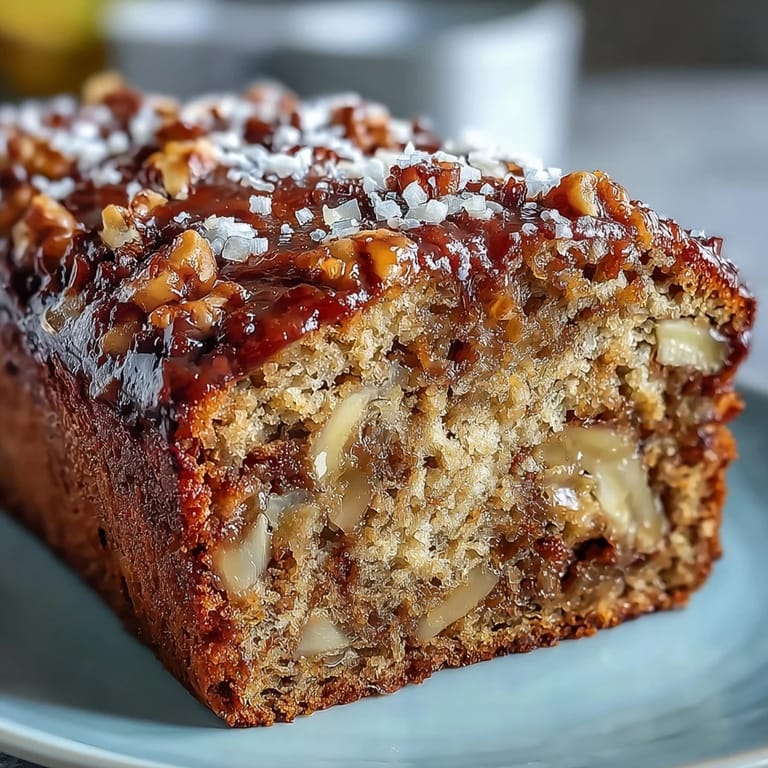
Save One afternoon, I was rifling through my pantry after a farmer's market haul when a can of guava pulp caught my eye—something I'd grabbed on a whim. That same morning, my bananas had reached that perfect spotted stage where they're almost too ripe to eat plain. The combination sparked something, and I wondered what would happen if I leaned into those tropical flavors with a spice I'd been meaning to use more of: cardamom. The result was this vegan banana bread that tastes like someone bottled sunshine and fragrance together, and now I make it whenever I want to feel like I'm taking a small vacation without leaving my kitchen.
I baked this for my neighbor during her first week in our building, unsure if she'd appreciate the tropical twist. When she came by to return the plate, she asked for the recipe immediately and admitted she'd eaten half the loaf before her coffee cooled down. That loaf became our friendship language—she now brings me guavas from her parents' tree, and I send her home with warm slices wrapped in parchment.
Ingredients
- Ripe banana: Use bananas that are spotted and soft, as they're sweeter and mash more easily into a creamy base that binds everything together without eggs.
- Guava pulp: Fresh or canned works beautifully; if your canned version seems seedy, strain it gently through a fine mesh to keep the texture smooth without losing flavor.
- Lime zest: This brightens the tropical warmth and prevents the bread from feeling heavy, so don't skip it even if you think you will.
- Light brown sugar: It dissolves faster than granulated and adds a subtle molasses note that complements cardamom perfectly.
- Neutral oil: Sunflower or canola keeps the bread vegan and creates moisture that butter-free baking sometimes struggles to achieve.
- Plant-based milk: Oat milk has the richest texture, though almond or soy work just as well depending on what's already in your fridge.
- Ground cardamom: This is the soul of the recipe, so buy it whole and grind it yourself if you can—the aroma when freshly ground is incomparable.
- Baking soda and powder: Together they create a tender crumb; the soda reacts with the acidic guava while the powder provides lift.
- Walnuts or pecans: Optional but worth the addition for texture contrast and a subtle earthiness that balances the fruit.
Tired of Takeout? 🥡
Get 10 meals you can make faster than delivery arrives. Seriously.
One email. No spam. Unsubscribe anytime.
Instructions
- Prepare your stage:
- Heat your oven to 350°F and grease your loaf pan thoroughly, then line the bottom with parchment for easy release. This moment of preparation sets you up for success and prevents the frustration of bread that sticks.
- Mash and layer:
- Press your bananas until they're smooth, then swirl in the guava pulp and lime zest—you'll notice how the fruity aromas start mingling immediately. The flecks of lime zest are not just pretty; they're little bursts of brightness in every slice.
- Wet your mixture:
- Stir in the brown sugar, oil, milk, and vanilla until everything looks unified and glossy. Don't overthink this step; you're just combining, not aerating.
- Toast your spices:
- In a separate bowl, whisk together your flour, cardamom, baking soda, baking powder, and salt, breaking up any clumps of baking soda with the back of your whisk. Whisking dry ingredients separately ensures the cardamom distributes evenly so you get its flavor in every bite, not just random pockets.
- Bring it together gently:
- Pour the wet mixture into the dry ingredients and fold with a spatula using broad, sweeping motions—stop as soon as you see no white flour streaks. Overmixing activates gluten and creates tough, dense bread, which is the one thing you're trying to avoid.
- Final additions:
- If you're using nuts, fold them in now, distributing them throughout so they toast slightly as the bread bakes. Scrape the batter into your prepared pan and smooth the top gently with an offset spatula.
- The sparkle:
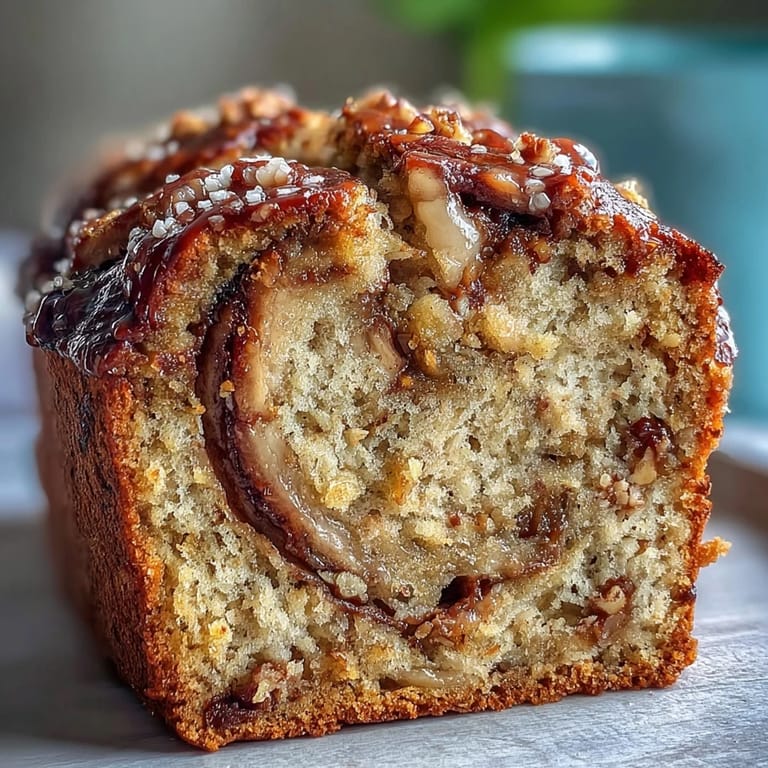
- If you have coarse sugar, sprinkle it across the top now for a subtle crunch that catches light and looks intentional. It's a small detail that makes slicing feel like uncovering something precious.
- Bake and wait:
- Slide into the oven for 45 to 55 minutes, depending on your oven's temperament—you'll know it's done when a toothpick inserted in the center comes out clean or with just a few moist crumbs clinging. The smell at minute 40 will test your patience.
- Cool with intention:
- Leave the bread in the pan for 10 minutes so it firms up enough to handle without crumbling, then turn it out onto a wire rack. Cooling completely is essential before slicing, even though warm bread is tempting—it needs that time to set.
 Save
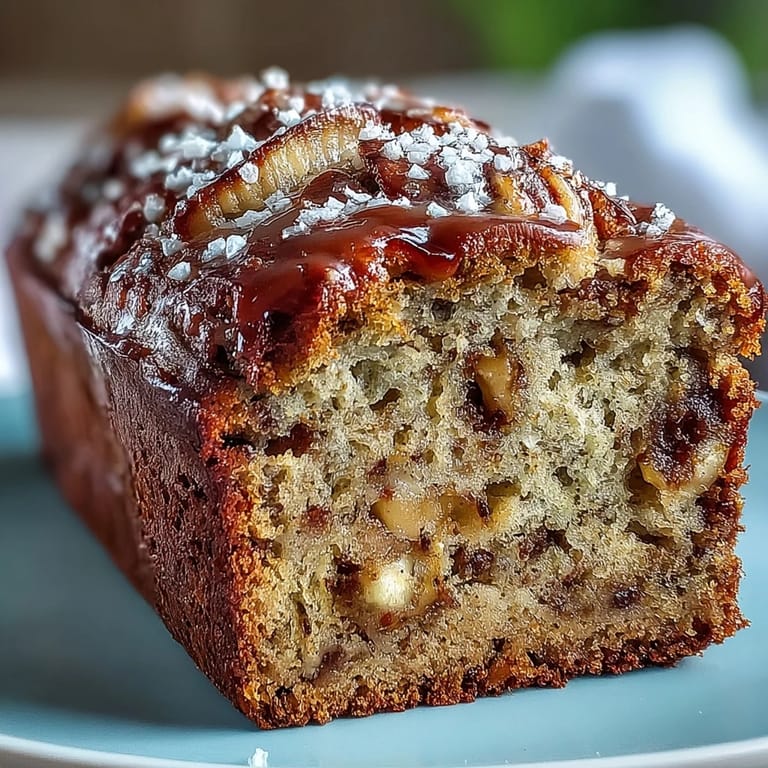
Save There's a moment when this bread first comes out of the oven, still steaming, when the kitchen fills with a scent that's unmistakably warm and spiced and tropical all at once—that's when I know I've gotten it right. My partner has learned to follow that smell and appear in the kitchen, knowing a slice will be ready in exactly 15 minutes.
When to Serve This Bread
Warm slices at breakfast with strong coffee or tea are obvious, but this bread also shines as an afternoon snack with a cup of chai or tropical fruit tea. I've served it cold from the fridge on picnics, sliced thick and wrapped in foil, and it somehow tastes even better the next day once the flavors have settled into each other. For something more indulgent, split a warm slice and spread it with vegan butter while it's still soft enough to melt.
Swapping and Improvising
This recipe is forgiving enough to work with what you have on hand rather than what the recipe demands. Mango or pineapple puree makes an easy swap if guava isn't available, shifting the flavor profile slightly without disrupting the structure. I've added 1/4 cup of unsweetened applesauce when my guava was running low, and it deepened the moisture without changing the taste noticeably.
Storage and Keep
Wrapped in parchment and stored in an airtight container, this bread stays fresh and moist for up to four days at room temperature, though it rarely lasts that long in my house. The fridge extends its life another few days, and slices also freeze beautifully for up to a month if you want to bake once and enjoy throughout the season. I've learned to wrap individual slices before freezing so I can thaw just what I need without defrosting the entire loaf.
- Room temperature storage in an airtight container keeps the bread tender and prevents it from drying out over days.
- If your kitchen is warm or humid, the fridge is safer to prevent mold, and cold slices are actually delicious on their own or lightly toasted.
- Frozen slices thaw in about 20 minutes and taste nearly as good as fresh, making this a gift-ready recipe you can prepare ahead of time.
 Save
Save This bread has become my answer to the question of how to make something feel special without complicated technique or hard-to-find ingredients. It's the kind of loaf that proves vegan baking isn't a limitation but an invitation to think differently about flavor and texture.
Questions & Answers
- → Can I use frozen guava pulp?
Yes, frozen guava pulp works perfectly in this bread. Thaw it completely and strain if it has seeds before adding to the batter. Frozen guava retains its flavor and sweetness well.
- → What can I substitute for cardamom?
If you don't have cardamom, you can use cinnamon, nutmeg, or a blend of both. However, cardamom provides that unique floral, citrusy flavor that pairs beautifully with guava.
- → How do I store this bread?
Wrap the cooled loaf tightly in plastic wrap or store in an airtight container at room temperature for up to 3 days. For longer storage, refrigerate for up to a week or freeze slices for up to 3 months.
- → Can I make this gluten-free?
Yes, substitute the all-purpose flour with a 1:1 gluten-free flour blend that includes xanthan gum. The texture may be slightly denser but still delicious.
- → Why is my bread dense?
Overmixing the batter can develop too much gluten, making the bread dense. Stir gently until just combined. Also, ensure your baking soda and powder are fresh for proper rise.
- → Can I reduce the sugar?
The bananas and guava provide natural sweetness. You can reduce the brown sugar to 1/4 cup, though the bread will be less sweet and may have a slightly different texture.