 Save
Save There's something about a spring morning that makes you want to cook with your hands, not a recipe book. My neighbor knocked on the door one Saturday with a basket of asparagus and spinach from her garden, and I found myself reaching for eggs before she'd even finished saying hello. That frittata turned into the easiest way to use up the vegetables piling up in my crisper drawer, and now it's become my go-to when I need something that feels both nurturing and effortless.
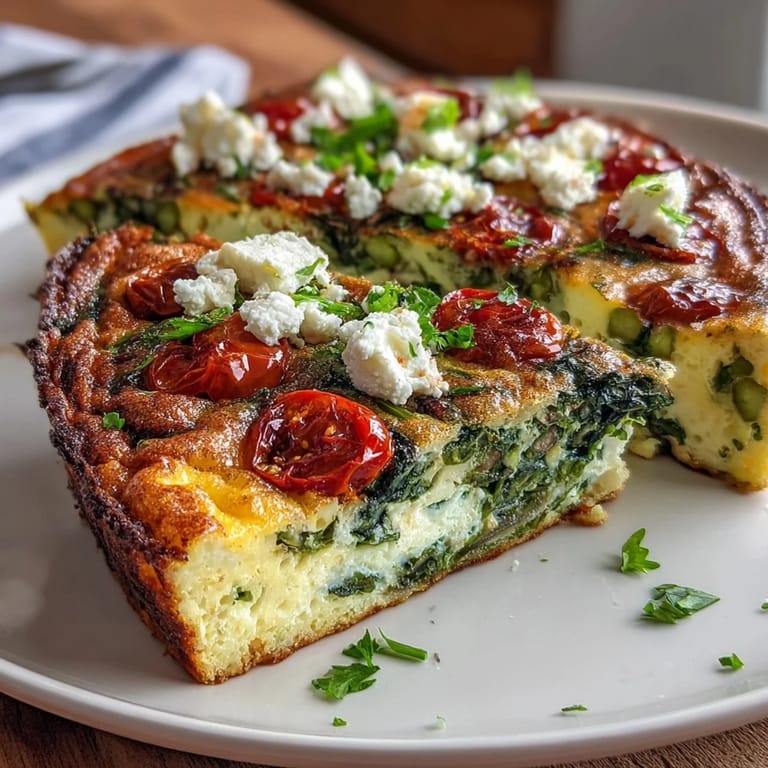
I made this for my sister when she visited last April, and she sat at the kitchen counter watching the whole thing come together, amazed that something so restaurant-looking took barely half an hour. The way the feta caught the oven light and turned golden at the edges felt like a small triumph, and we ended up splitting it with crusty bread and way too much coffee.
Ingredients
- Asparagus: Spring's most honest vegetable, and cutting it into bite-sized pieces keeps the texture tender without turning mushy in the oven.
- Baby spinach: A full cup looks like chaos in the skillet, but it wilts down to nothing in seconds and adds iron and earthiness.
- Cherry tomatoes: Halved so they don't roll around, and their sweetness balances the deeper flavors from the herbs.
- Zucchini: Dice it small so it cooks evenly and doesn't add too much moisture to the frittata.
- Red onion: The sharpness mellows as it cooks, and the color looks beautiful against the green vegetables.
- Eggs: Six large eggs create a custardy base that's rich enough to hold everything together but light enough to feel right at breakfast.
- Milk: Just a quarter cup keeps the eggs tender; skip it if you prefer a denser frittata or use any dairy-free alternative you have on hand.
- Feta cheese: Crumbles on top just before baking so it stays intact and doesn't disappear into the eggs.
- Fresh parsley and chives: These aren't decoration, they're flavor; add them last so they stay bright and grassy.
- Salt, black pepper, and red pepper flakes: Build flavor layers as you go, and don't skip the red pepper flakes if you like a gentle heat.
- Olive oil: One tablespoon is enough to coat the pan and keep things from sticking without making it heavy.
Tired of Takeout? 🥡
Get 10 meals you can make faster than delivery arrives. Seriously.
One email. No spam. Unsubscribe anytime.
Instructions
- Heat your skillet and soften the onion:
- Set your oven to 375°F and get your 10-inch oven-safe skillet hot over medium heat with olive oil. The pan should be hot enough that a piece of onion sizzles gently when it hits the surface.
- Build your vegetable base:
- Add the red onion first and let it go for about two minutes until it's soft and starting to smell sweet. Then add the asparagus and zucchini with a pinch of salt, stirring every minute or so for three to four minutes until they're just tender but still have a little snap to them.
- Add the delicate vegetables:
- Stir in the spinach and cherry tomatoes and let them cook for just a minute or two, watching as the spinach transforms from a tangled mess into soft, dark ribbons.
- Prepare your egg mixture:
- In a separate bowl, whisk together the eggs, milk, salt, pepper, and red pepper flakes until everything is one color and there are no streaks of white egg white left. This takes about a minute of steady whisking.
- Combine eggs and vegetables:
- Pour the egg mixture evenly over your vegetables in the skillet, and use a spatula to gently push the vegetables around so they're distributed evenly. Sprinkle the feta cheese, parsley, and chives over the top in that order.
- Start on the stovetop:
- Let the whole thing cook on the stove for two to three minutes without touching it, and you'll see the edges start to turn opaque and set. This helps the bottom cook before it goes in the oven.
- Finish in the oven:
- Transfer the skillet to the oven, using an oven mitt because the handle will be hot, and bake for ten to twelve minutes until the center is just set but still has a tiny jiggle to it when you shake the pan gently. The top should be lightly golden but not brown.
- Rest and serve:
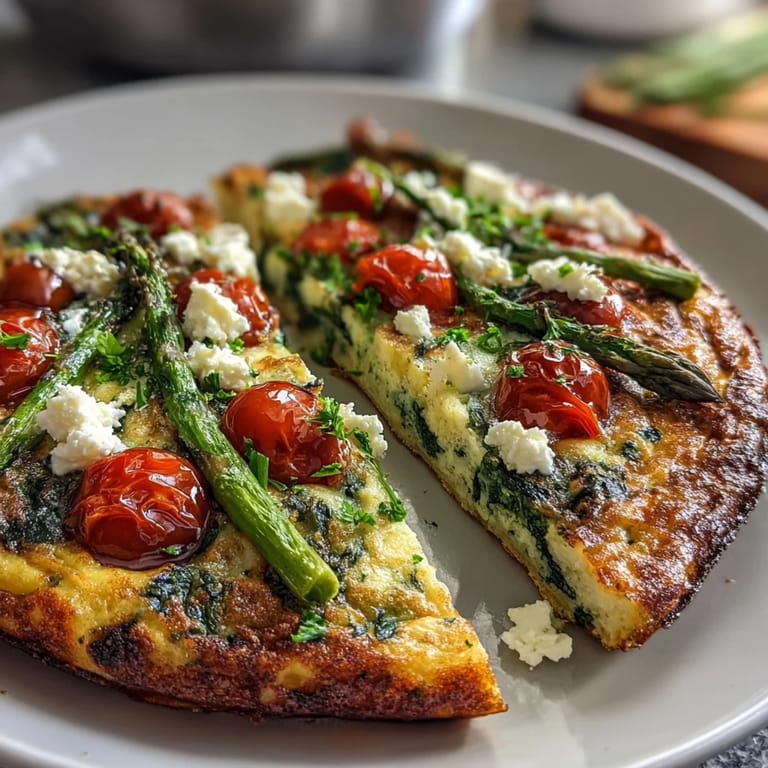
- Let it cool for a few minutes so it firms up slightly, then slice it into wedges like a pizza. Eat it warm, or let it cool to room temperature if you're the type who prefers that.
 Save
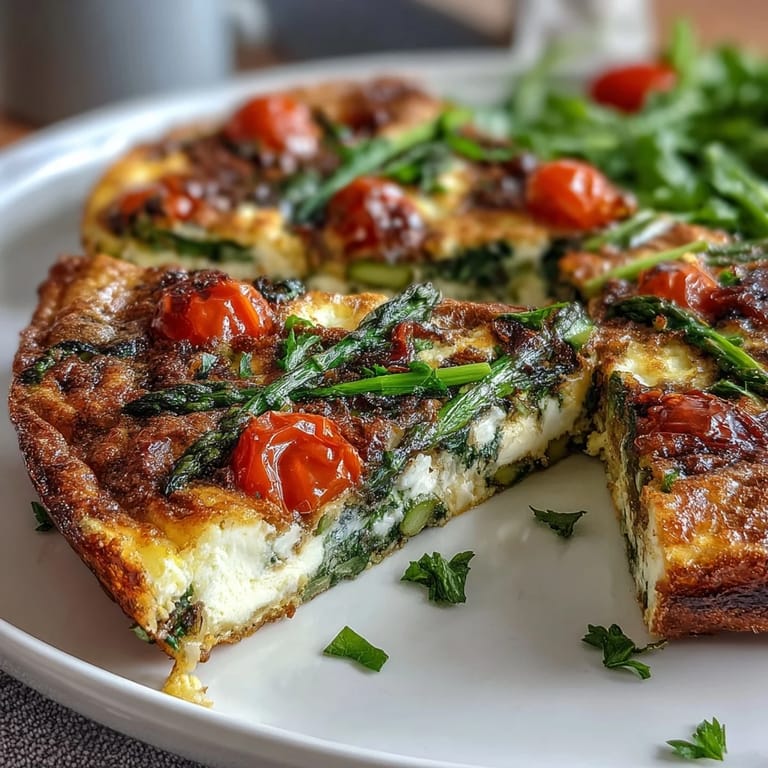
Save My colleague brought this to our office lunch last week, and I watched people who usually grab something quick from their desk actually sit down and eat it slowly, asking questions about whether it was hard to make. It wasn't, and seeing her smile at that moment felt like the whole point of knowing how to cook something simple and good.
Vegetables You Can Swap In
The beauty of a frittata is that it's endlessly flexible and actually tastes better when you use what's in season or what you already have sitting around. Early spring calls for peas and leeks, summer wants roasted peppers and fresh basil, and fall makes you reach for mushrooms and caramelized onions. I've made it with broccoli, artichoke hearts, and even roasted cauliflower, and honestly every version has been worth making again.
Making It Work for Different Diets
Dairy-free is simple: use whatever plant-based milk you prefer and either skip the feta or use a cashew-based cheese that actually melts and tastes like something. I've also made this entirely vegan by using a commercial egg replacer, though the texture becomes a bit more cake-like than custardy, which some people actually prefer. The vegetables and herbs do so much of the heavy lifting that you won't miss what you take away.
Serving and Storage Ideas
This frittata is at its best served warm, but it's equally delicious at room temperature, which is why it's such a good candidate for meal prep or bringing somewhere. It keeps in the fridge for four days, and you can reheat a slice in a hot skillet or just eat it cold straight from the fridge on your way out the door. Pair it with a simple green salad and crusty bread for a light lunch, or serve it with toast and fresh fruit for a longer breakfast.
- Slice it into wedges before storing so you can grab just what you need without reheating the whole thing.
- A crisp white wine like Sauvignon Blanc really does taste perfect with this if you're in the mood for that kind of meal.
- Make it the day before if you're cooking for guests, and you'll have one less thing to worry about in the morning.
 Save
Save This is the kind of recipe that teaches you to trust your instincts in the kitchen, because once you've made it once, you'll know exactly how to adapt it to whatever is in your fridge. That's when cooking stops feeling like following instructions and starts feeling like something you actually enjoy.
Questions & Answers
- → Can I use different vegetables in this frittata?
Yes, seasonal vegetables like peas or leeks can be swapped in to suit your taste or availability.
- → Is it possible to make this dish dairy-free?
Absolutely. Replace milk with a plant-based alternative and use dairy-free cheese instead of feta.
- → What cooking equipment is needed?
A 10-inch oven-safe skillet, mixing bowl, whisk, knife, and cutting board are required for preparation and cooking.
- → How do I know when the frittata is done baking?
Once the center is set and the top is lightly golden, the frittata is ready to remove from the oven.
- → What dishes pair well with this vegetable frittata?
Serving with a mixed green salad and crusty bread complements the flavors, and a crisp Sauvignon Blanc enhances the meal.