 Save
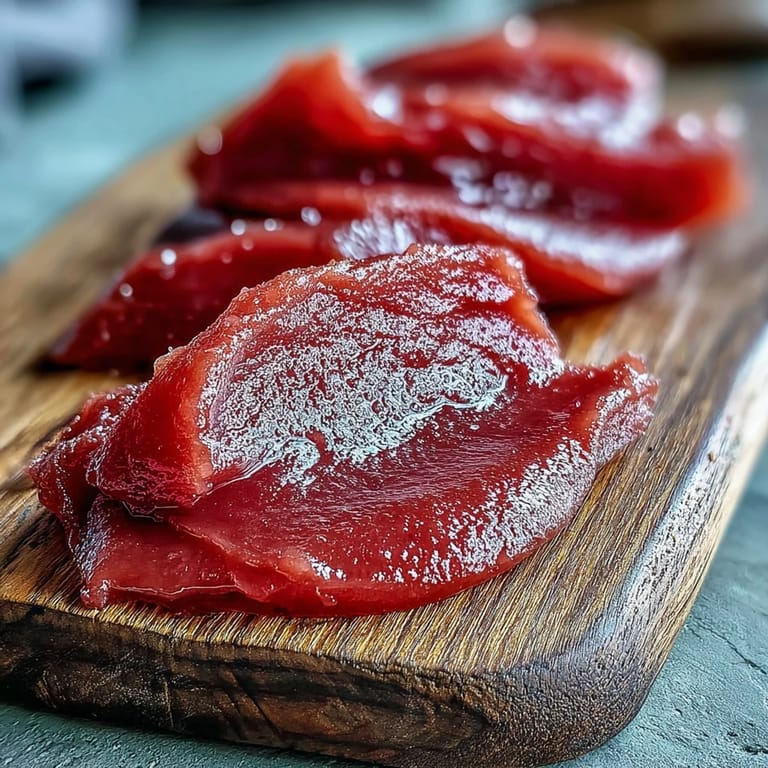
Save My neighbor Maria handed me a jar of homemade guava paste last summer, and I've been chasing that flavor ever since. The deep coral color, the way it gleamed in afternoon light through the kitchen window—I knew I had to learn how to make it myself. What started as a simple curiosity turned into an afternoon of simmering fruit and sugar, the whole kitchen filling with this honeyed, floral aroma that made everyone ask what I was cooking. Now I make batch after batch, and there's something meditative about standing at the stove, stirring slowly, watching the transformation happen right before your eyes.
I'll never forget bringing a plate of guava paste with Manchego cheese to a dinner party, watching my usually adventurous friends hesitate before trying it, then asking for the recipe within minutes. That moment taught me that food doesn't always need to be complicated to feel special—sometimes it just needs to be made with care and the right ingredients. The paste sat in the center of the cheese board like a jewel, catching light, and it became the thing people remembered most about that evening.
Ingredients
- Ripe guavas, 1 kg (2.2 lbs): Look for fruits that give slightly to gentle pressure and smell fragrant—this is where all your flavor comes from, so don't settle for hard or underripe guavas.
- Granulated sugar, 450 g (2 1/4 cups): The sugar stabilizes the paste and helps it set, but you might adjust this based on how sweet your guavas naturally are.
- Fresh lemon juice, 2 tbsp: This brightens the sweetness and prevents the paste from tasting one-dimensional; it's a small addition that makes a real difference.
- Water, 120 ml (1/2 cup): Just enough to help the guavas soften without making the final paste watery.
Tired of Takeout? 🥡
Get 10 meals you can make faster than delivery arrives. Seriously.
One email. No spam. Unsubscribe anytime.
Instructions
- Prepare Your Guavas:
- Rinse each guava under cool water and slice off the knobby ends, then quarter them lengthwise. You can scoop out the seeds now if you want an extra-smooth final product, though leaving them in creates a bit more texture and flavor.
- Soften the Fruit:
- Pour the water into your saucepan, add the guava quarters, and bring everything to a boil over medium heat. Once bubbling, cover and reduce to a gentle simmer for about 15 to 20 minutes—you're done when a fork easily pierces the flesh.
- Puree the Cooked Guavas:
- Let the pot cool for a minute, then work through a food mill or fine mesh strainer, pressing the soft fruit through while leaving skins and seeds behind. This step is meditative; don't rush it.
- Measure and Mix:
- Pour your puree into a measuring cup so you know exactly how much you have, then return it to the pot with sugar and lemon juice using roughly a 1:1 ratio of puree to sugar.
- Cook Down the Paste:
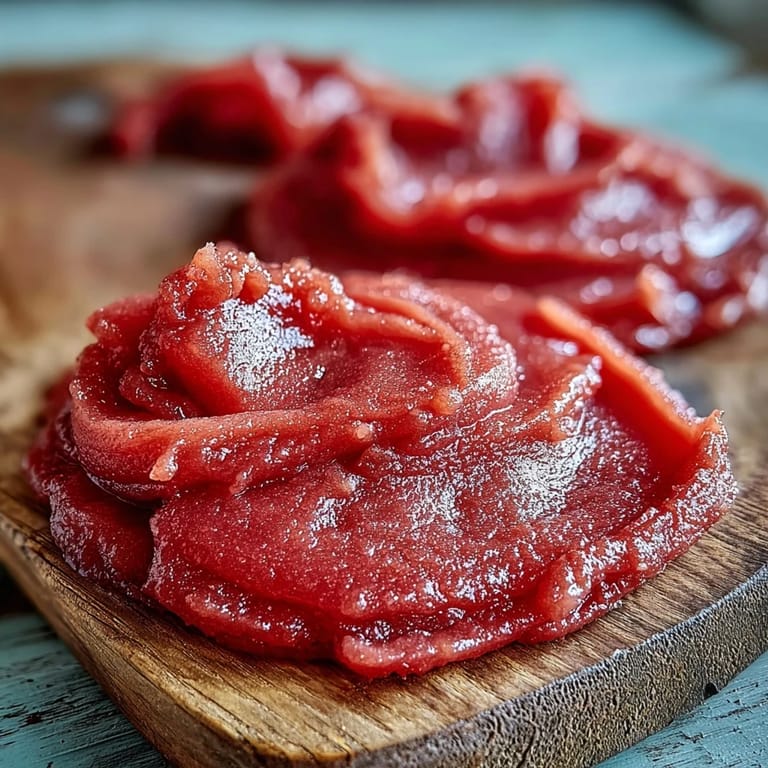
- Set your heat to low and stir constantly with a wooden spoon, scraping the bottom and sides to prevent sticking. This part takes patience—usually 40 to 50 minutes—but you'll know you're done when the mixture is thick, glossy, and pulls away slightly from the pan when you drag your spoon through it.
- Set and Cool:
- Pour the finished paste into a parchment-lined loaf pan, smooth the top with the back of a spoon, and leave it undisturbed at room temperature for 2 to 3 hours until it's completely firm. Then unmold and slice into the beautiful squares you've earned.
 Save
Save Last winter, I gave jars of guava paste as gifts to people I didn't know how to thank properly—my doctor, my accountant, my daughter's piano teacher. Watching their faces light up when they opened their bags and realized it was homemade paste felt like the best gift I could have given. It became this little conversation starter, this thread that connected us in a way that store-bought treats never could.
The Sugar Ratio Dance
I learned through trial and error that every batch of guavas is slightly different, and the sugar ratio matters more than you'd think. Some seasons the fruit is naturally sweeter, other times it's tarter—your nose and taste will guide you better than any recipe ever could. I've started tasting a tiny spoonful of the warm paste before committing to the full cooking time, adjusting as needed.
Storage and Second Lives
Once your paste is sliced and stored in airtight containers, it stays perfect in the refrigerator for up to three months, though honestly it rarely lasts that long in my house. I've filled pastry shells with it, crumbled it onto yogurt, and stuffed it into thumbprint cookies, discovering new uses each time I open the jar. The beauty of guava paste is that it's already perfect on its own, but it also loves collaborating with other flavors.
Pairing Perfection
The classic pairing is guava paste with sharp Manchego cheese, and there's a reason this combination has lasted for generations—the creaminess and salt play against the floral sweetness in exactly the right way. But I've also discovered it works beautifully with goat cheese, crumbled blue cheese, and even alongside cured meats on a board. Here are the combinations I keep coming back to:
- Guava paste and Manchego on plain crackers is the gold standard that never disappoints.
- Layer it between puff pastry sheets with a sprinkle of sea salt for an elegant dessert that looks far more complicated than it is.
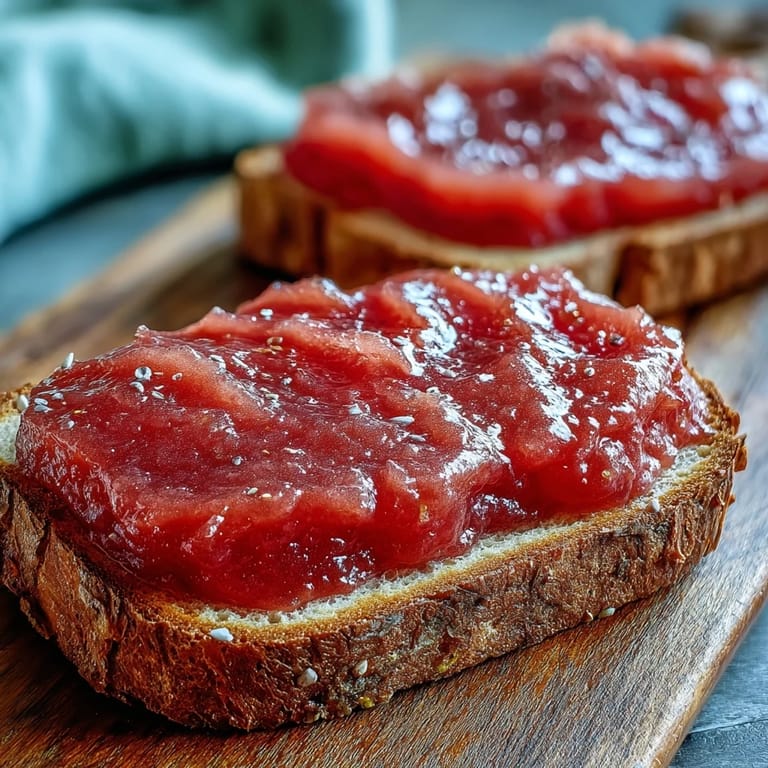
- Spread it on toasted bread with a soft cheese for an unexpectedly sophisticated breakfast.
 Save
Save Making guava paste is honestly one of those quiet kitchen victories that feels bigger than it is—you walk away with something beautiful, shelf-stable, and deeply rewarding. Every time someone tastes it and asks where you got it, you get to say you made it yourself.
Questions & Answers
- → What makes guava paste firm?
The long cooking time evaporates moisture while the sugar concentration naturally creates a thick, spreadable consistency. When the mixture pulls away from the pan sides and holds its shape on a spoon, it's ready to set.
- → Can I use frozen guavas?
Fresh guavas work best for optimal texture and flavor, but thawed frozen guavas can be used if fresh aren't available. You may need to adjust cooking time slightly to account for extra moisture.
- → How long does guava paste keep?
Properly stored in an airtight container in the refrigerator, guava paste will stay fresh for up to three months. The high sugar content acts as a natural preservative.
- → What cheeses pair best with guava paste?
Sharp, aged cheeses create the perfect balance. Manchego, aged cheddar, sharp provolone, or goat cheese complement the sweet-tart flavors beautifully. Serve with crackers or crusty bread.
- → Why add lemon juice?
Lemon juice provides essential acidity that balances the sweetness while helping the mixture set properly. It also enhances the natural fruit flavor and adds brightness to the finished paste.
- → Can I reduce the sugar?
Sugar is crucial for both preservation and achieving the proper consistency. Reducing it significantly will affect the texture and shelf life. For a less sweet version, try using naturally sweeter ripe guavas.