 Save
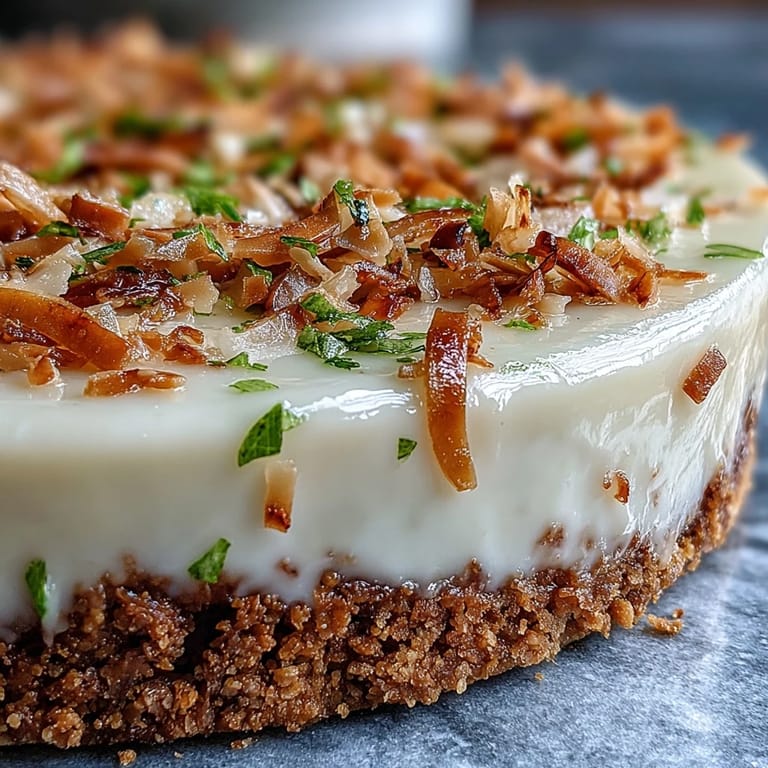
Save The aroma of toasted coconut mingling with a hint of zesty lime always makes my kitchen feel like a tropical escape, even if it’s raining outside. The first time I tried making this coconut lime tart, I was simply craving something bright and fresh—little did I know how quickly it would become a favorite among my friends. There’s a certain thrill in pressing crumbly graham crust into a tin with your fingertips, bits of sugar sticking to your hands, as you imagine the creamy filling that’s about to follow. Each step brings a welcome contrast: the crisp crust against the silky, tangy center. Let’s say, this tart is my reliable trick any time dessert needs to feel a little bit more like a vacation.
One summer evening, my cousin and I baked this tart together after an impromptu visit at my place, giggling about our makeshift lime juicing methods. We ended up eating it on the balcony under string lights, sharing slices topped with way too much whipped cream and barely a crumb left for the next day.
Ingredients
- Graham crackers: Their buttery, toasty flavor is the backbone of the crust—if they’re a little stale, give them a quick blitz to revive the crunch.
- Granulated sugar: Just enough for a delicate sweetness but not so much that it overpowers the lime.
- Unsalted butter: Melting it completely helps every crumb stick together—for easy pressing, use it while it’s still warm.
- Sweetened condensed milk: This is what makes the filling fabulously creamy and just the right amount of sweet.
- Coconut milk: Opt for full-fat to get that lush, rich texture—light versions just don’t cut it.
- Egg yolks: Give the filling body and the perfect set; I find room-temperature eggs blend best.
- Lime juice: Freshly squeezed is key—for intense flavor, roll the limes before cutting to get all the juice.
- Lime zest: It adds brightness and a little extra zing; use a microplane for best results.
- Sweetened shredded coconut: Stirred into the filling for chew and amplified coconut flavor, plus it adds a speckled look to every slice.
- Whipped cream (optional): Light, billowy, and the perfect cool counterpoint to the tart.
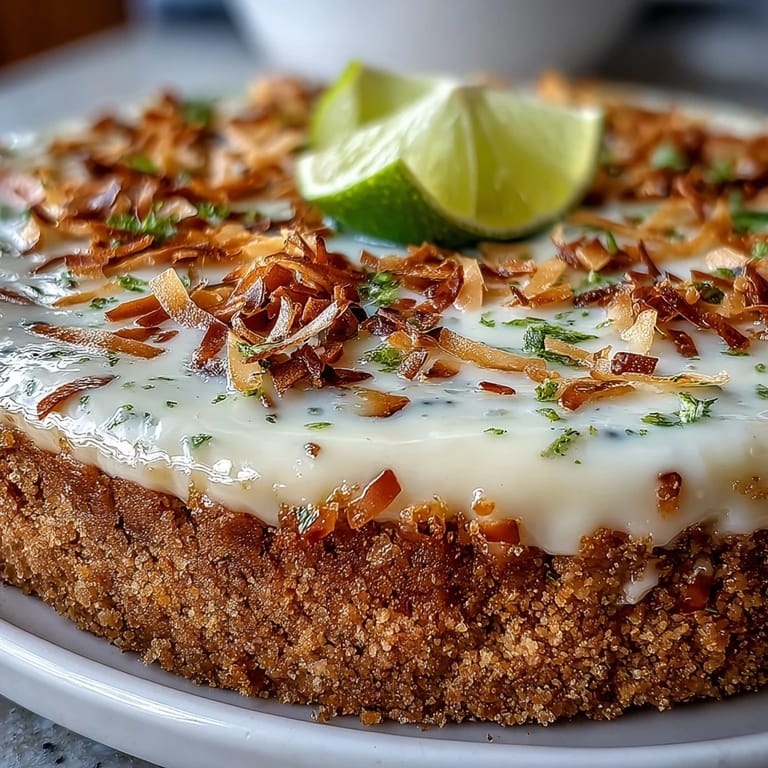
- Toasted coconut flakes: Scatter on top for crunch and a golden touch—just watch them closely in the oven so they don't burn.
- Extra lime zest: For a fresh burst of color and citrus on each piece; it instantly makes the tart look fancier.
Tired of Takeout? 🥡
Get 10 meals you can make faster than delivery arrives. Seriously.
One email. No spam. Unsubscribe anytime.
Instructions
- Heat Things Up:
- Preheat the oven to 350°F (175°C) while you assemble your ingredients—the warmth makes the kitchen feel instantly cozy.
- Mix the Crust:
- In a bowl, blend graham cracker crumbs and sugar, then pour in the melted butter; use a fork until it resembles wet sand and smells toasty.
- Press and Shape:
- Pour the mixture into a 9-inch tart pan and press it firmly with your hands, making sure to get up the sides; wiggle your fingers to pack it evenly.
- Bake and Cool:
- Bake the crust for 8 minutes—just until slightly golden and you can catch a whiff of caramel—then let it cool so it doesn’t melt your filling.
- Prepare the Filling:
- In a large bowl, whisk together sweetened condensed milk, coconut milk, egg yolks, lime juice, and zest until everything is silky smooth; fold in the shredded coconut last.
- Fill and Smooth:
- Pour the filling into your cooled crust and use a spatula to spread it evenly, noticing how glossy it looks before baking.
- Bake Gently:
- Slide the tart back into the oven for 8 minutes, watching closely—the center should look set but jiggle just a bit when nudged.
- Cool Slowly:
- Let the tart come to room temperature on a rack; the sweet-citrus scent drifts through the kitchen.
- Chill and Set:
- Transfer to the fridge for at least 2 hours, or overnight if you can wait—this is when the magic happens and the filling firms up perfectly.
- Add the Finishing Touch:
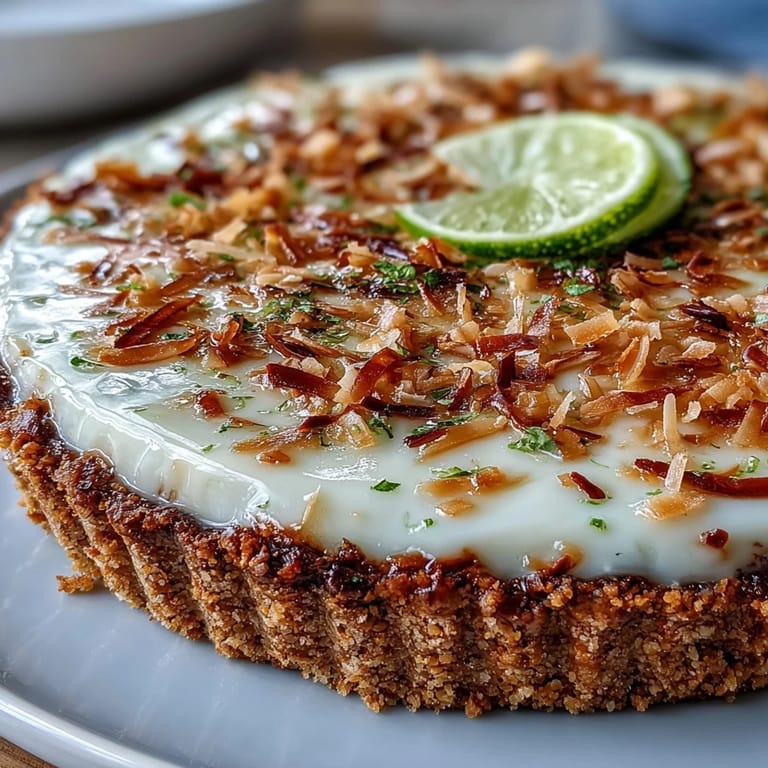
- Just before serving, top with whipped cream, scatter with toasted coconut flakes, and sprinkle extra lime zest for a fresh, playful look.
 Save
Save Last spring, I brought this tart to a potluck, balancing it on my lap during the car ride and nervously hoping it wouldn’t slide. As everyone gathered around for dessert, the bright flecks of lime and coconut drew curiosity and soon there wasn’t a crumb to take home.
Let’s Talk Crust Technique
The key to a foolproof graham cracker crust, I’ve learned, is really pressing it down firmly—use the flat bottom of a measuring cup for perfectly compacted sides and base. If the crumbs are loose, your crust will crumble with every slice, but when packed, it holds up beautifully even after chilling.
Getting the Creaminess Just Right
Full-fat coconut milk (or coconut cream) transforms the filling from merely smooth to luxuriously rich and luscious. Often, I let the filling mixture rest a minute before pouring so any air bubbles rise out, keeping the tart’s top silky and even.
Easy Garnishes for That Extra Touch
Toasting coconut flakes takes only moments in a hot pan but gives a nutty layer that makes people think you went the extra mile. A quick pass of lime zest over the top brings instant color and aroma, and if you like you can pipe whipped cream for a more elegant look.
- If garnishing ahead, keep the tart chilled to maintain freshness.
- Save some zest for the very last minute to keep the flavor bright.
- Leftovers are fantastic with coffee the next morning—if you’re lucky enough to have any.
 Save
Save May every slice transport you somewhere sunny even if the weather outside is moody. Enjoy the smiles this tart brings to your table—there’s always a good reason for a taste of the tropics.
Questions & Answers
- → How do I ensure a firm graham cracker crust?
Press the crumb mixture very firmly into the pan, concentrating on the sides and base. Bake for the brief initial set period until lightly golden, then let it cool before adding the filling; chilling after baking helps the crust hold its shape when sliced.
- → Can I substitute coconut milk with coconut cream?
Yes. Coconut cream will yield a richer, more pronounced coconut flavor and slightly denser texture. Use a similar volume but stir well to combine; you may notice a silkier mouthfeel after chilling.
- → Why is the filling baked only briefly?
A short bake firms the custard just enough while keeping the center slightly wobbly; this produces a creamy, set texture after chilling without becoming dry or rubbery from overcooking.
- → What happens if I use whole eggs instead of yolks?
Whole eggs add structure and can make the filling firmer and slightly more cake-like. Sticking with yolks keeps the filling richer and silkier; if substituting, expect a firmer set and adjust chilling time as needed.
- → How long should the tart chill before serving?
Chill for at least two hours to fully set the filling; overnight chilling improves texture and flavor melding, making slicing cleaner and the filling silkier.
- → What can I use instead of graham crackers?
Digestive biscuits are a close substitute and yield a similar crumb texture. For a richer base, try finely chopped shortbread or almond cookies; baking time may vary slightly depending on fat content.