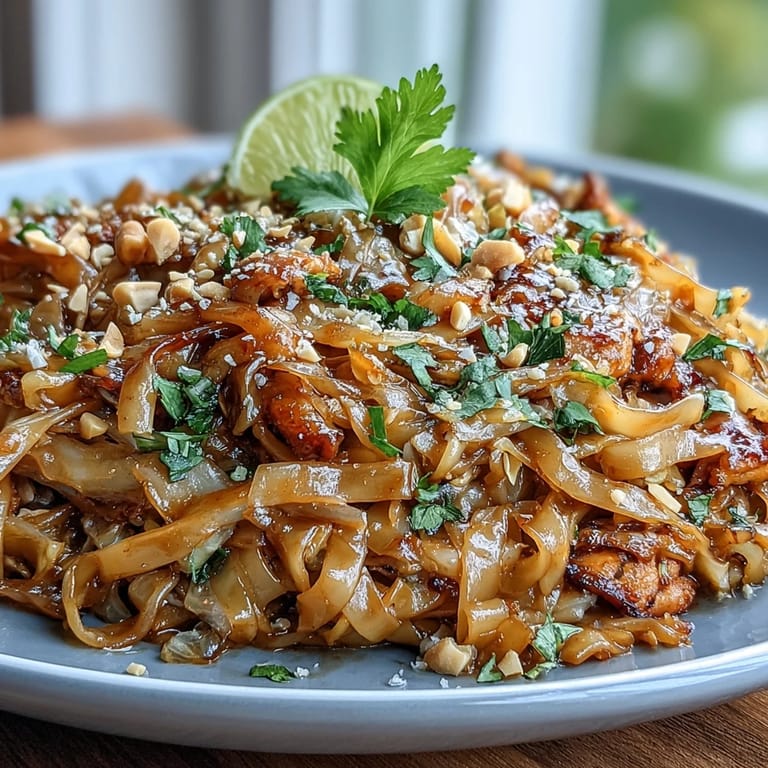
 Save
Save Sometimes, the most satisfying dinners spring from last-minute improvisation. One rainy afternoon, I eyed a lonely cabbage in my fridge and decided to swap it for noodles in a craving-fueled attempt at Pad Thai. What followed was a flurry of crunch, aroma, and unexpected lightness that landed this dish squarely in my regular rotation. The sauce soaks into the cabbage just enough, and every bite is equal parts savory, sweet, and fresh. Now, even my noodle-loving family has been known to ask for the 'cabbage Pad Thai night'.
I still remember the first time I made this for a friend visiting from out of town who swore she hated cabbage. Watching her go back for seconds, then sheepishly ask for the recipe, I knew I’d stumbled onto something special. The two of us ended up competing over the last crunchy bite, laughing at how quickly a humble cabbage could win hearts around the table.
Ingredients
- Green cabbage: This is your noodle stand-in—shred it finely so it sautés evenly and stays lightly crisp.
- Carrot: Adds a pop of color and slight sweetness—using a julienne peeler makes prep a breeze.
- Red bell pepper: Its sweetness and crunch round out the veggie mix perfectly, so slice it thin for quick cooking.
- Scallions: Separate the white and green parts—white gets sautéed for flavor, green sprinkles on top for freshness.
- Garlic and ginger: The aromatic backbone—grate the ginger for even distribution; don’t skimp!
- Eggs: They add silkiness and soaking power for the sauce—scramble gently in the pan so they stay moist.
- Cooked chicken, shrimp, or tofu: Choose your favorite for protein; tofu is best pressed dry to avoid extra moisture.
- Tamari or soy sauce: The foundation of umami richness—use gluten-free tamari if you need it.
- Fish sauce: Delivers true Thai depth, but just add more tamari if you're going vegetarian.
- Lime juice: Brightens up the whole pan—reserve some extra wedges for squeezing over at the end.
- Peanut butter: Creamy, nutty, and surprising—you'll notice how it ties the sauce together perfectly.
- Erythritol, monkfruit, or honey: Choose your favorite sweetener, and taste for balance.
- Chili flakes or Sriracha: Optional, but a gentle heat can highlight every other flavor—start light, adjust at the end.
- Roasted peanuts: Chop them just before serving for maximum crunch and aroma.
- Fresh cilantro: Scatter leaves over the top for color and that final herbal lift.
Tired of Takeout? 🥡
Get 10 meals you can make faster than delivery arrives. Seriously.
One email. No spam. Unsubscribe anytime.
Instructions
- Make the sauce:
- In a small bowl, whisk together tamari, fish sauce, lime juice, peanut butter, your sweetener, and chili flakes or Sriracha until smooth—taste and adjust if needed.
- Sauté aromatics:
- Heat your largest skillet or wok over medium-high; splash in a bit of oil and toss in the garlic, ginger, and the pale scallion parts, letting the kitchen fill with their fragrance for about a minute.
- Cook the veggies:
- Add cabbage, carrot, and bell pepper, stirring constantly; after 4–5 minutes, they should be colorful and knife-tender yet slightly crisp.
- Scramble the eggs:
- Push the veggies aside, crack eggs into the open space, and scramble gently until just set, then fold them right into the mix.
- Add protein and sauce:
- Drop in your choice of chicken, shrimp, or tofu; pour over the sauce, and toss enthusiastically for 2–3 minutes until everything is glossy and hot.
- Finish and serve:
- Take off the heat, then lavish with green scallion tops, chopped peanuts, fresh cilantro, and those extra lime wedges—serve immediately for best crunch.
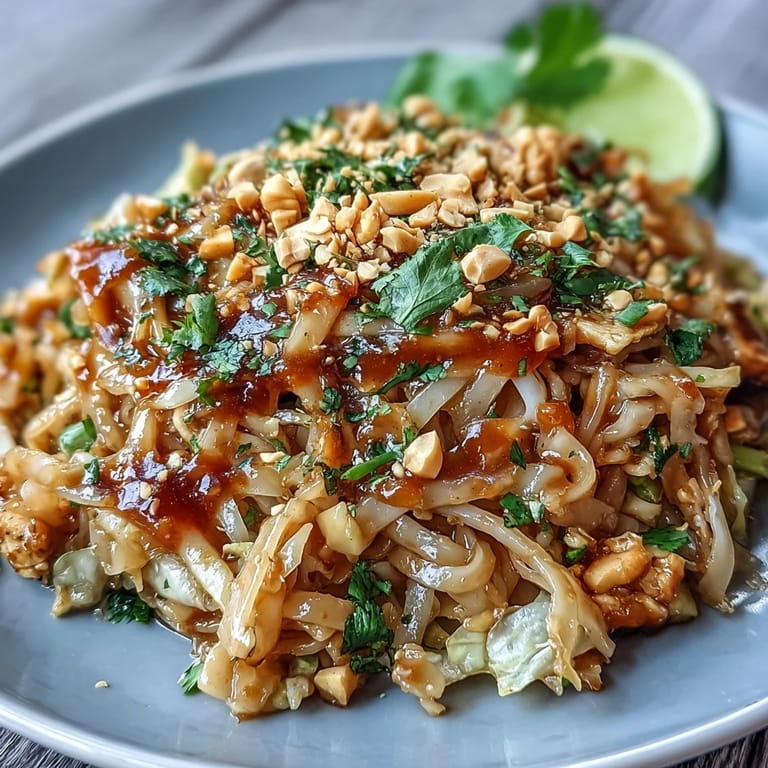 Save
Save I’ll never forget plating this up for a casual weeknight dinner, only to find everyone eating it straight from the pan, standing and chatting, unable to wait for proper plates. It was one of those rare dishes that turned a meal into a mini celebration without any occasion at all.
Getting Your Veggies Just Right
Quick, high-heat cooking is your friend here—too much patience leads to limp, sad cabbage. Prepping all your vegetables before you start ensures everything hits the pan at the perfect moment for maximum crispness.
Choosing Protein for Every Mood
I’ve tried this with tofu, shrimp, and leftover roast chicken—each gives a different vibe. Tofu soaks up the sauce beautifully if you press it dry, while shrimp adds a sweet snap and chicken keeps things hearty, so use whatever you have on hand.
Small Finishing Touches That Matter
Don’t overlook the toppings: scattering on the scallion greens, cilantro, and peanuts adds freshness and incredible texture to each bite. A final generous squeeze of lime just before eating is the little spark that wakes up all the flavors.
- Chop your peanuts at the last minute so they stay extra crunchy.
- If you like more heat, keep Sriracha on the table for drizzling.
- Leftovers stay crisp in the fridge if cooled quickly and stored uncovered for the first hour.
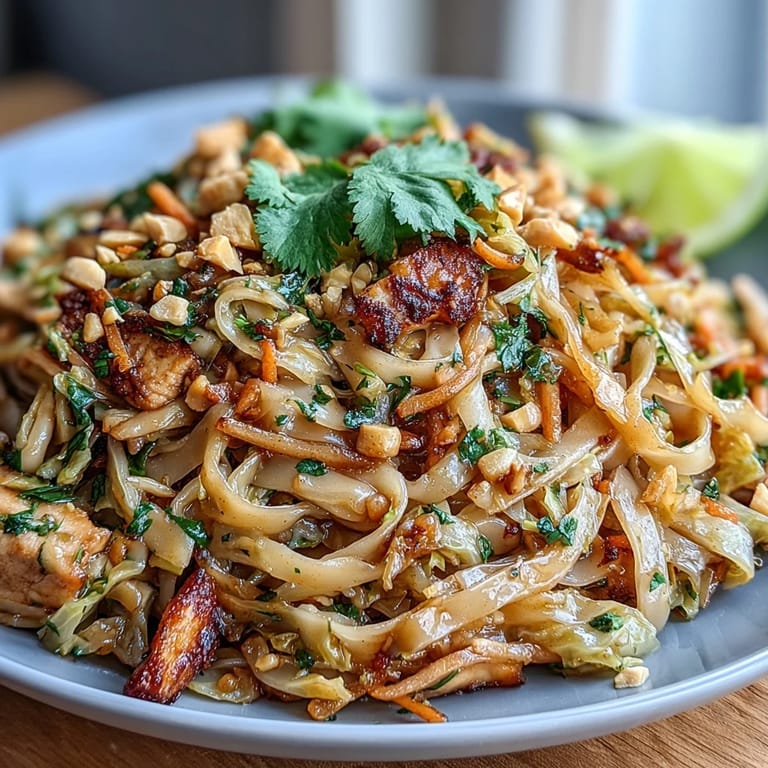 Save
Save Next time you’re craving Pad Thai, give this lighter version a shot—you might just find yourself licking every last peanut from the bowl. It’s bright, crunchy, and guaranteed to bring a burst of unexpected joy to your table.
Questions & Answers
- → Which cabbage works best?
Green cabbage with firm, dense leaves is ideal for shredding and stir-frying; it holds a crisp texture. Napa cabbage can be used for a softer finish but will wilt faster.
- → How do I keep the cabbage crisp?
Shred cabbage finely and cook over high heat for a short time, stirring constantly. Avoid over-salting early, and don't overcrowd the pan so moisture can evaporate quickly.
- → What are good protein options and timing?
Use cooked chicken, shrimp, or firm tofu. Add pre-cooked chicken or shrimp just to warm through; for tofu, pan-fry first for color and fold in near the end. Scramble the eggs in the same pan before combining.
- → How can I make it vegetarian or vegan?
Swap fish sauce for extra tamari or a splash of mushroom or coconut aminos for umami. Use tofu instead of animal protein and skip eggs or use crumbled tofu as an egg alternative.
- → How should leftovers be stored and reheated?
Store in an airtight container in the fridge for up to 3 days. Reheat briefly in a hot skillet with a splash of water or lime juice to revive texture; add peanuts and herbs fresh after reheating.
- → How do I balance heat and sweetness?
Adjust chili flakes or Sriracha to control spice, and start with a small amount of sweetener, tasting as you go. Lime juice brightens the dish and can reduce the need for extra sweetness.