 Save
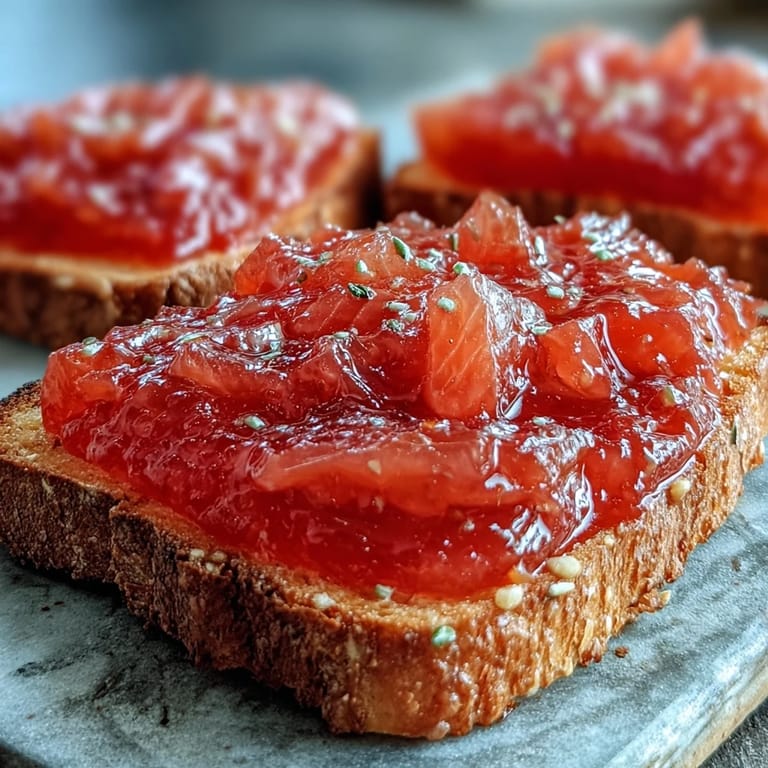
Save My neighbor handed me a bag of guavas one humid afternoon, insisting I had to do something with them before they went bad. I'd never made preserves before, just eaten the jarred kind from the grocery store, so I did what anyone would do—I looked up a recipe and started chopping. Three hours later, my kitchen smelled like tropical heaven, and I had jars of the most vibrant pink jam cooling on my counter. That's when I understood why people got excited about making their own preserves.
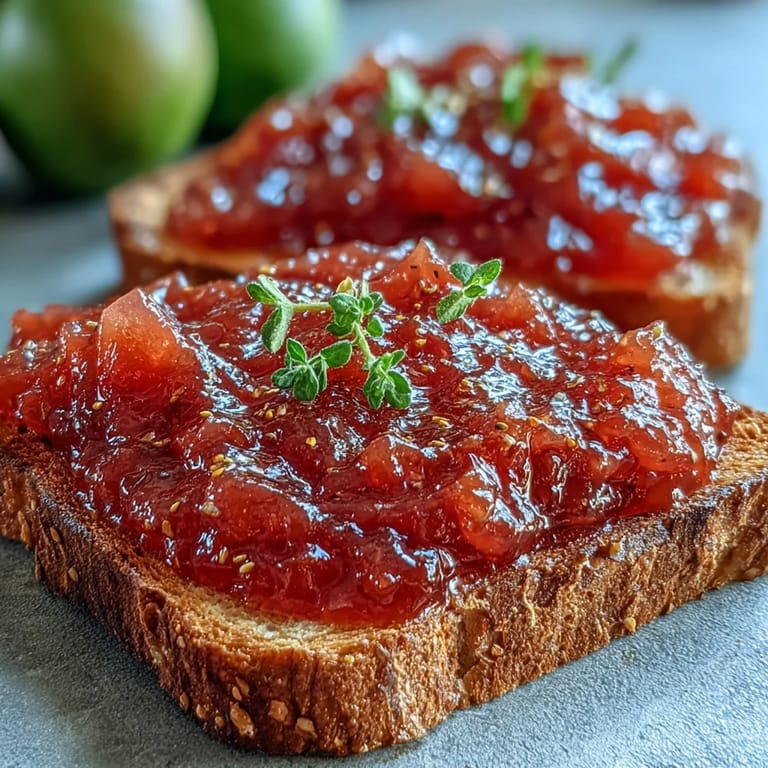
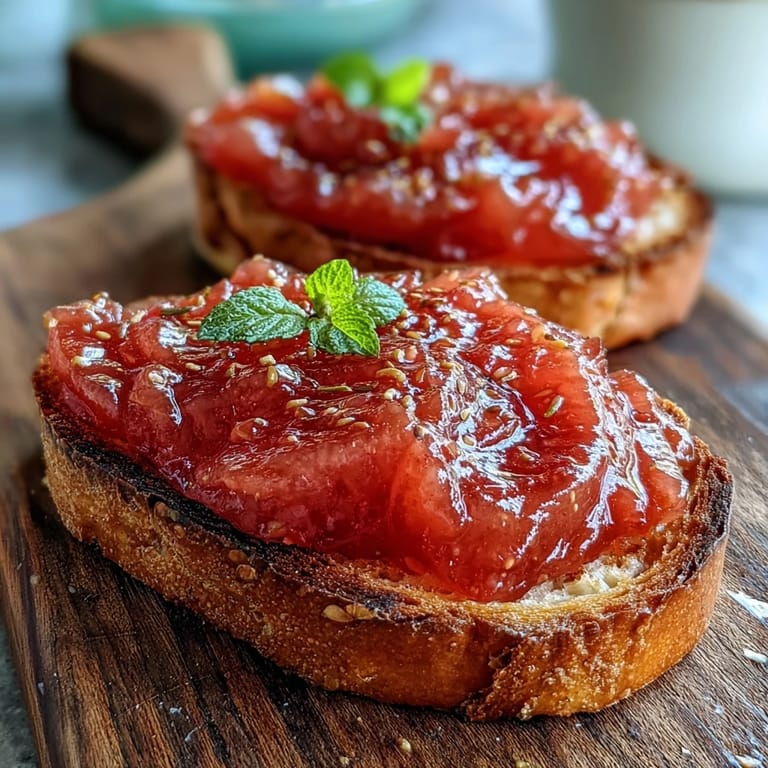
I served it on toast to my sister the next morning, and she went silent for a moment before asking for the recipe. That quiet moment told me more than any compliment could—this preserve had crossed over from homemade curiosity into something genuinely special, something worth making again and again.
Ingredients
- Ripe guavas, about 10–12 medium (1.5 kg): The foundation of everything, and ripeness matters more than you'd think because underripe guavas will taste slightly astringent no matter how much sugar you add.
- Granulated sugar, about 3.5 cups (700 g): This isn't just sweetness—it's the preservative that lets your jam last, though you can adjust the amount if you prefer it less sweet.
- Fresh lemon juice, 2 tablespoons: A small amount that cuts through the richness and brightens the tropical flavor in ways you won't notice until it's missing.
- Water, 1 cup (240 ml): Just enough to help the guavas break down without making the final jam watery or loose.
Tired of Takeout? 🥡
Get 10 meals you can make faster than delivery arrives. Seriously.
One email. No spam. Unsubscribe anytime.
Instructions
- Prep and seed your guavas:
- Wash them well under running water, then quarter them and scoop out the seeds with a spoon—it's tedious but saves you from crunching on seeds later. Keep as much of the pink flesh as possible; that's where all the flavor lives.
- Soften the fruit:
- Throw the guava flesh and water into a large saucepan and bring it to a boil, then turn it down and let it simmer for 15–20 minutes until the pieces fall apart easily. You'll notice the water turn a beautiful peachy color as the fruit releases its goodness.
- Break it down:
- Mash everything with a potato masher or give it a quick blend if you want smoother results. Some texture is nice, but you want to break down the fruit enough that it cooks evenly in the next step.
- Push it through the sieve:
- This is the step that separates homemade jam from chunky fruit soup—press the mashed mixture through a fine sieve or food mill to catch any lingering seeds and get a silky pulp. It takes a few minutes of patient work, but your finished preserve will be worth it.
- Combine and cook:
- Return the pulp to your saucepan, add the sugar and lemon juice, and stir it all together over medium-high heat until it comes to a rolling boil. You'll want to stir constantly here because nothing burns quite like sugar in a hot pan.
- Simmer until it sets:
- Turn the heat down to medium and let it bubble away, stirring frequently, for about 35–45 minutes until it thickens into proper jam. Test it by dropping a spoonful onto a cold plate—if it wrinkles when you push it, you've reached that perfect moment when it's ready to jar.
- Finish and store:
- Skim off any foam that rose to the surface, pour the hot preserves into sterilized jars leaving a tiny bit of headspace, and seal them right away. They'll keep in the refrigerator for three months, or you can process them in a boiling water bath if you want them shelf-stable longer.
 Save
Save I found myself making a second batch the following week because my coffee table had become the place where I set out a small jar and crackers for visitors. Watching people's faces light up when they tasted it reminded me that food made with your own hands carries a kind of generosity that's hard to fake.
Why Guavas Make the Best Preserves
Guavas have a natural pectin that helps them set into jam without needing any additives, which means you're really just concentrating the flavor and sweetness of the fruit itself. They also have this gentle tartness that plays beautifully with sugar, creating a preserve that's never one-note or cloying.
Serving Ideas That Go Beyond Toast
I've learned that guava preserves are secretly one of the most versatile things you can make—spread it on toast one day, pair it with a sharp aged cheddar the next, and suddenly you're layering it into pastry cream or swirling it into yogurt like you knew what you were doing all along. It bridges sweet and savory in ways that feel natural and never forced.
Adjusting the Recipe to Your Taste
The amount of sugar here is traditional and helps with preservation, but if you find it too sweet, you can absolutely reduce it by a quarter and still get decent results. I've also experimented with replacing some sugar with honey, which creates a slightly softer set but adds a floral undertone that's rather lovely.
- Taste a tiny bit of pulp before you add the sugar and decide if you want it adjusted from there.
- If you prefer a chunkier texture, fold some reserved guava pieces back in after sieving instead of pressing everything smooth.
- Remember that preserves taste less sweet once they cool completely, so don't panic if it seems overly sugary when it's still hot.
 Save
Save Making guava preserves taught me that some of the best things in life come from simply paying attention to what's in front of you—a bag of tropical fruit, a hot pan, and the patience to let it transform into something golden and delicious. Once you've made it yourself, store-bought preserves will never quite taste the same way again.
Questions & Answers
- → How do I know when the preserves are ready?
Test by placing a small amount on a chilled plate. If it wrinkles when pushed with your finger, the preserves have reached the proper setting consistency.
- → Can I make these preserves with less sugar?
Yes, adjust the sugar amount to taste or substitute部分 honey. Note that sugar helps with preservation and texture, so reducing it may affect shelf life and consistency.
- → What's the best way to serve guava preserves?
These preserves pair wonderfully with sharp cheddar or creamy cheeses, spread on warm toast, or swirled into pastry fillings. Try them with a dry Riesling for an elegant appetizer.
- → How long do these preserves last?
Refrigerated preserves stay fresh for up to 3 months. For longer storage, process sealed jars in a boiling water bath and keep in a cool, dark place for up to a year.
- → Why strain the seeds?
Sieving removes hard seeds for a smooth, spreadable texture. If you prefer chunkier preserves, reserve some guava pieces and fold them back in after straining.
- → Can I use frozen guava?
Frozen guava works well if fresh isn't available. Thaw completely before cooking and adjust cooking time slightly as frozen fruit may release more water.