 Save
Save There's something about the smell of lemon and oregano hitting a hot pan that instantly transports me to a sun-soaked evening at a taverna overlooking the Aegean. I hadn't actually been there when I first made this chicken, but my grandmother had described it so vividly that I felt like I was cooking from memory. She'd call with updates on what she was making for Sunday dinner, and one summer she became obsessed with this marinade, insisting it was the secret to keeping chicken tender without any fuss. The first time I made it, I remember being surprised at how the simple combination of lemon juice and herbs could do so much of the heavy lifting, no complicated techniques required.
I made this for a potluck at work once, and someone asked if I'd picked it up from a restaurant because it looked too professional. That comment stuck with me because the whole point is that it's genuinely easy, and somehow that makes it feel more personal than something complicated. Now whenever I cook it, I remember that moment and feel a little proud that something so straightforward could feel so impressive to other people.
Ingredients
- Boneless, skinless chicken breasts: These cook quickly and evenly, which is exactly why they're perfect for marinating. Pat them dry before marinating if they seem wet, or the marinade will just slip off.
- Extra-virgin olive oil: This is where you taste the difference, so don't reach for the regular stuff. It emulsifies with the lemon juice and creates a protective coating that keeps the chicken from drying out.
- Fresh lemon juice: Bottled will work in a pinch, but fresh has a brightness that changes everything. Juice your lemon over a small bowl and fish out any seeds before adding.
- Lemon zest: This is the little flavor bomb that makes people ask for the recipe. Use a microplane if you have one, it gives you those fine, aromatic pieces.
- Garlic: Three cloves minced gives you enough presence without overpowering the herbs. If your cloves are huge, maybe stick to two.
- Fresh oregano, parsley, and thyme: Fresh herbs sing in this dish, and if you can't find them, dried works, just use about a third of the amount since they concentrate as they dry.
- Salt and pepper: Taste the marinade before the chicken goes in, and adjust if it needs it. This is your chance to get it right.
Tired of Takeout? 🥡
Get 10 meals you can make faster than delivery arrives. Seriously.
One email. No spam. Unsubscribe anytime.
Instructions
- Build the marinade:
- Pour the olive oil and lemon juice into a large bowl, add the zest and minced garlic, then stir in the oregano, parsley, and thyme. The mixture should smell like summer in a bowl, and the herbs will start releasing their oils as you mix.
- Coat the chicken:
- Add your chicken breasts to the marinade and make sure every surface touches the liquid. If you're using a zip-top bag, you can seal it and turn it over a few times instead of stirring, which saves a bowl.
- Let time do the work:
- Pop it in the fridge for at least an hour, but if you have the time, leave it for four. The longer it sits, the more the flavors settle into the meat and the more tender it becomes.
- Heat your oven:
- Set it to 200°C (400°F) and let it preheat while you get your baking dish ready. A hot oven is what gives you that gentle golden color without drying anything out.
- Arrange and pour:
- Lay the chicken breasts in a single layer in your baking dish, and don't pour off the extra marinade. Let it go in with them so it can baste the chicken as everything bakes.
- Bake and check:
- Pop it in for 25 to 30 minutes, checking after 25 by inserting a meat thermometer into the thickest part. When it reads 74°C (165°F), you're done; any higher and it starts getting dry.
- Rest and serve:
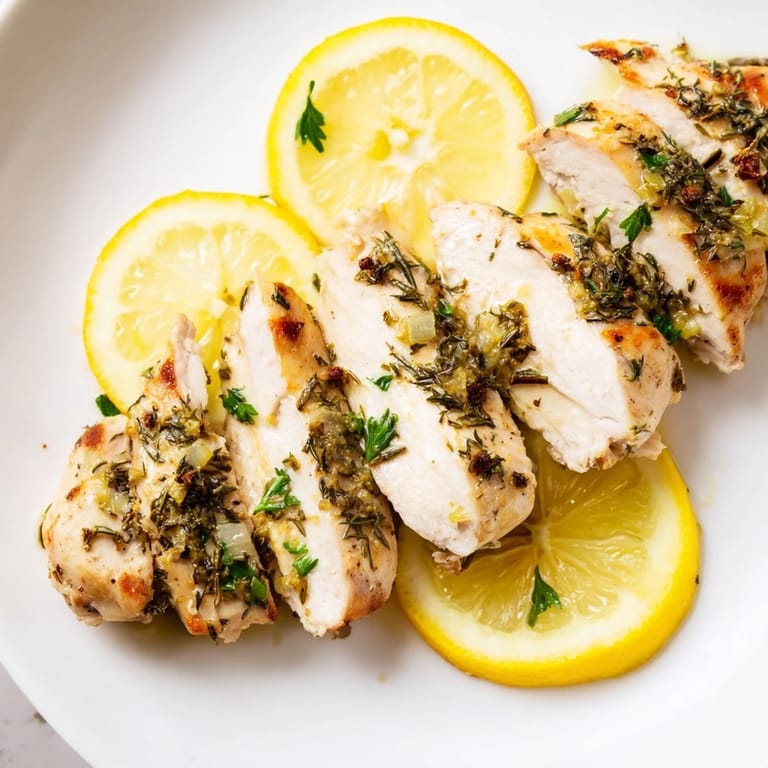
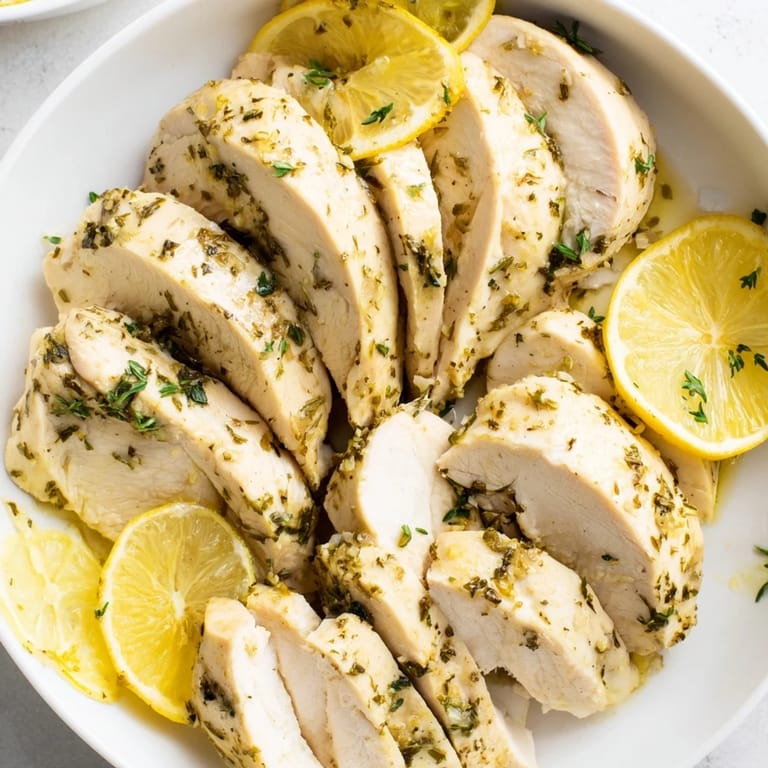
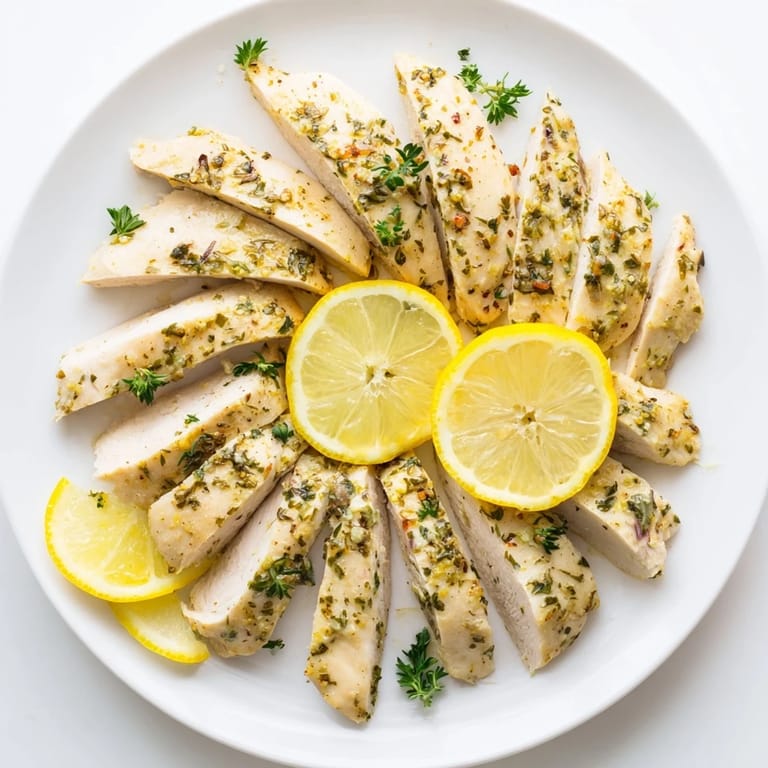
- Let the chicken sit for five minutes after it comes out, which lets the juices settle back in. Slice it, garnish with lemon wedges and parsley, and watch people go back for seconds.
 Save
Save There was this one night when I made this for my partner after a really stressful week, and I remember them taking that first bite and just closing their eyes for a moment. They didn't say anything right away, just smiled, and somehow I knew the day had gotten better for them. That's when I realized this dish had become more than just something to eat, it turned into my go-to when I wanted to show someone I was thinking about them.
Why This Marinade Works
The science behind this is actually pretty beautiful if you think about it. Lemon juice is acidic, which starts to break down the proteins in the chicken and makes it tender, while the olive oil creates a barrier that keeps moisture in. The herbs and garlic dissolve into the oil, creating flavor that's not just on the surface but starts to penetrate the meat the longer it sits. I used to think you needed fancy techniques to get restaurant-quality chicken, but this proves that understanding how your ingredients work together is often enough.
Ways to Serve This
I've served this with everything from simple roasted potatoes and a Greek salad to stuffed into warm pita bread with tzatziki and fresh cucumbers. The beauty is that it's flavorful enough to stand on its own but humble enough not to demand a specific side. One time I shredded the leftovers and tossed them into a lunch salad the next day, and it was honestly better than the night before because the flavors had time to deepen.
Storage and Make-Ahead Tips
You can marinate this for up to eight hours, and honestly the flavor only gets better the longer it sits. Leftovers keep in the fridge for three days in an airtight container, and they reheat beautifully in a gentle oven at 160°C for about ten minutes. I've also frozen marinated chicken before cooking it, which is perfect for those weeks when you want to do the prep work on a Sunday but won't cook until Wednesday.
- If you're marinating overnight, make sure your chicken is fully submerged or at least turn the bag halfway through so everything gets a turn in the marinade.
- Cold chicken straight from the fridge takes a couple extra minutes to cook, so add time if you're not letting it come to room temperature first.
- Leftover marinade can become a dressing for salads if you whisk in a little more lemon juice and use it within a couple days.
 Save
Save This recipe reminds me that sometimes the best meals come from trusting simple ingredients and giving them time to work their magic. It's become my answer to that question we all ask ourselves on a weeknight: what's something that tastes special but won't exhaust me to make?
Questions & Answers
- → What is the best way to marinate the chicken?
Combine olive oil, fresh lemon juice and zest, minced garlic, and Mediterranean herbs. Coat the chicken thoroughly and marinate in the refrigerator for 1 to 4 hours to enhance flavor and tenderness.
- → Can I use a different cut of chicken?
Yes, bone-in chicken thighs can be used for extra juiciness. Adjust baking time to 35–40 minutes to ensure they are cooked through.
- → What temperature should I bake the chicken at?
Preheat the oven to 200°C (400°F) and bake the chicken breasts for 25–30 minutes until the internal temperature reaches 74°C (165°F).
- → What side dishes pair well with this dish?
Traditional Greek salad, roasted potatoes, or warm pita bread complement this dish beautifully, adding fresh and hearty elements.
- → Is this dish suitable for a gluten-free diet?
Yes, all ingredients used are naturally gluten-free, making it a suitable option for gluten-sensitive individuals.
- → How should leftovers be used?
Leftovers can be sliced and added to salads, wraps, or served cold for a quick, flavorful meal the next day.