 Save
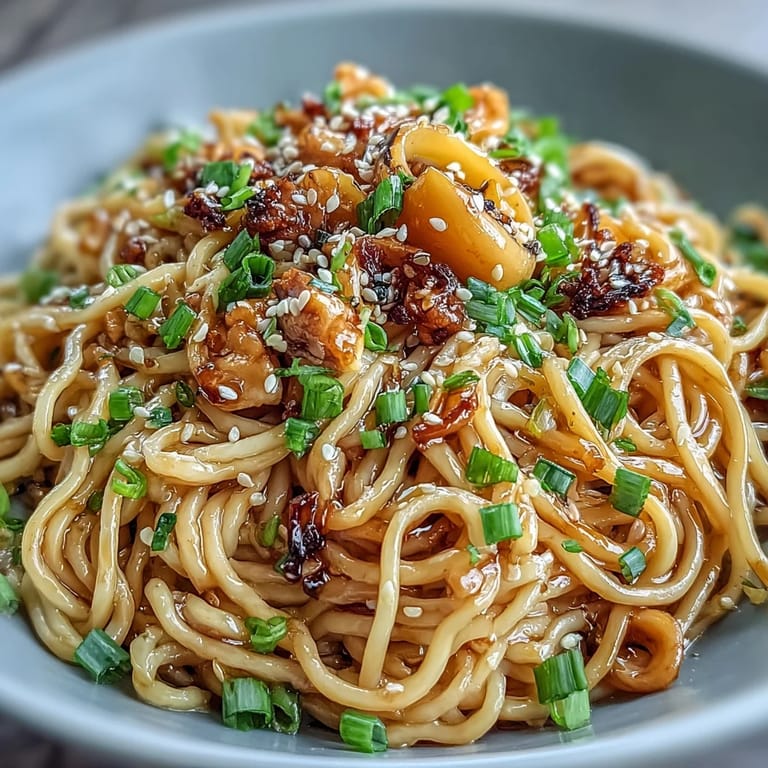
Save I still remember the first time the scent of sizzling garlic and butter filled my kitchen, a fragrance so lush it literally stopped me mid-scroll. I’d seen this garlic butter ramen popping up everywhere, so on a drizzly afternoon I gave in to curiosity. Just looking at the glossy noodles tangled in a golden, garlicky sheen, I knew this was no ordinary bowl. Unwrapping two humble packs of instant ramen, I wondered if this viral trick would really surpass the sum of its parts. Spoiler alert: one buttery slurp later, I was hooked.
One evening last winter, my roommate poked her head into the kitchen, drawn by an irresistible aroma. She hovered, eyes widening, as I tossed the noodles with that glossy sauce—then promptly asked for a fork. We ate straight from the skillet, laughing about how a handful of simple ingredients could feel so luxurious. I’ve never seen leftovers vanish so fast, or a quick meal earn so many compliments.
Ingredients
- Instant ramen noodles (2 packs): Ditching the seasoning packets lets you control flavors and sodium—stick with plain noodles for a silky bite.
- Unsalted butter (3 tbsp): Using unsalted lets you adjust seasoning, and that rich base makes all the difference.
- Garlic cloves, minced (5): Fresh garlic is absolutely essential; don’t skimp, and chop it finely for maximum punch.
- Soy sauce (2 tbsp): It brings umami depth—taste as you go, since brands vary in saltiness.
- Brown sugar (1 tbsp): Adds a mellow sweetness that balances garlic’s intensity and deepens the sauce.
- Sesame oil (1 tsp): Just a drizzle is enough; it lends an unmistakable nutty aroma.
- Crushed red pepper flakes (1/4 tsp, optional): Toss in for a gentle heat if you like a little kick.
- Green onions, thinly sliced (2): They add crunch and color—slicing them at an angle just looks fancier.
- Soft-boiled eggs (2, optional): Creamy yolks take it up a notch, but no worries if you skip them.
- Toasted sesame seeds (1 tbsp): Quick toast in a dry pan until fragrant brings extra flavor.
- Freshly ground black pepper, to taste: Finish with a generous grind for subtle heat and bite.
Tired of Takeout? 🥡
Get 10 meals you can make faster than delivery arrives. Seriously.
One email. No spam. Unsubscribe anytime.
Instructions
- Cook the noodles:
- Fill a medium pot with water and bring it to a full, rolling boil. Cook the ramen noodles according to their package instructions, then drain well and set them aside—don’t let them overcook or you’ll lose their spring.
- Sauté the garlic:
- In a large skillet, melt the butter over medium heat, then add the minced garlic. Stir constantly as it becomes fragrant, stopping just before it starts to brown.
- Build the sauce:
- Pour in the soy sauce, brown sugar, and a drizzle of sesame oil. Swirl and simmer for about a minute, until the mixture looks glossy and the sugar has melted in.
- Toss the noodles:
- Add the drained ramen to your skillet. Use tongs or chopsticks to tumble the noodles through the aromatic sauce, ensuring every strand is coated; cook just a minute more.
- Finish and garnish:
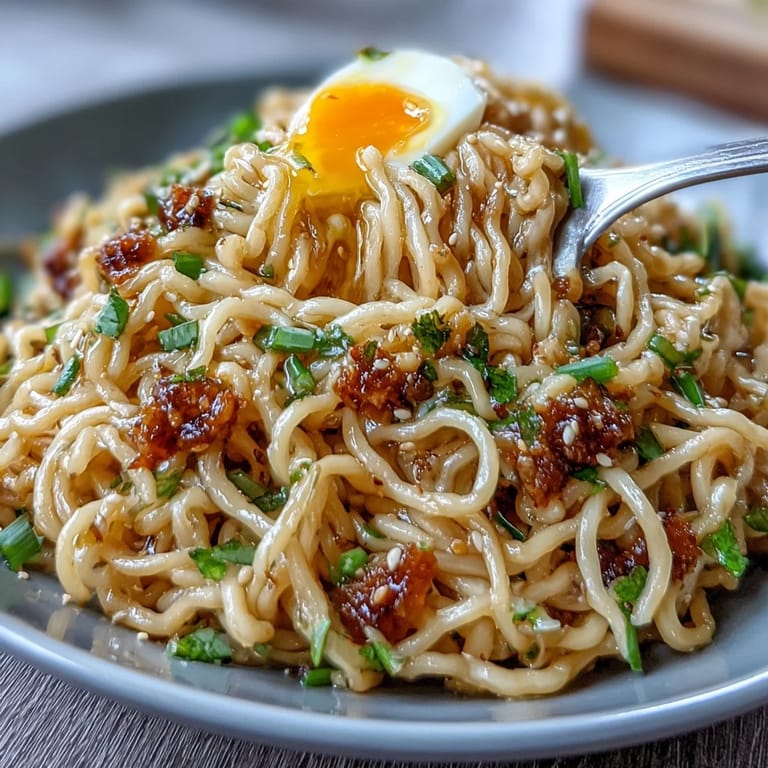
- Slide the noodles into serving bowls and top with green onions, soft-boiled eggs, sesame seeds, and black pepper—add a pinch of red pepper flakes if you like extra heat.
 Save
Save There was something oddly uplifting about huddling over the stove after a long day, the kitchen filled with the warmth and perfume of butter and garlic. Savoring it with friends on a chilly night, it became clear that a cozy meal can be as much about the company as the food.
Favorite Toppings and Twists
I sometimes scatter in sauteed mushrooms or a handful of spinach—both soak up the sauce beautifully. Friends swear by topping their bowls with crispy tofu chunks or pan-charred shrimp for a protein boost. Don’t be afraid to riff with what’s left in the fridge, from shredded carrots to pickled ginger.
A Few Words on Ramen Noodles
Stick to plain instant ramen and skip the seasoning packet, so the garlic butter takes center stage. I’ve found that rinsing the noodles quickly in cold water helps stop the cooking and keeps them enjoyably chewy. Of all the quick-cook noodles out there, the simplest ones truly let the sauce shine.
Kitchen Mishaps and Delicious Fixes
One time I got distracted and overcooked my noodles, discovering they soaked up too much sauce and turned broken and gloopy. Now I always set a timer and drain them immediately. If your sauce thickens too much, a splash of the noodle cooking water smooths things right out.
- Keep your butter out to soften so it melts evenly.
- Taste as you season—soy sauces vary wildly in salt.
- Remember to garnish right before serving for the most vivid flavors and textures.
 Save
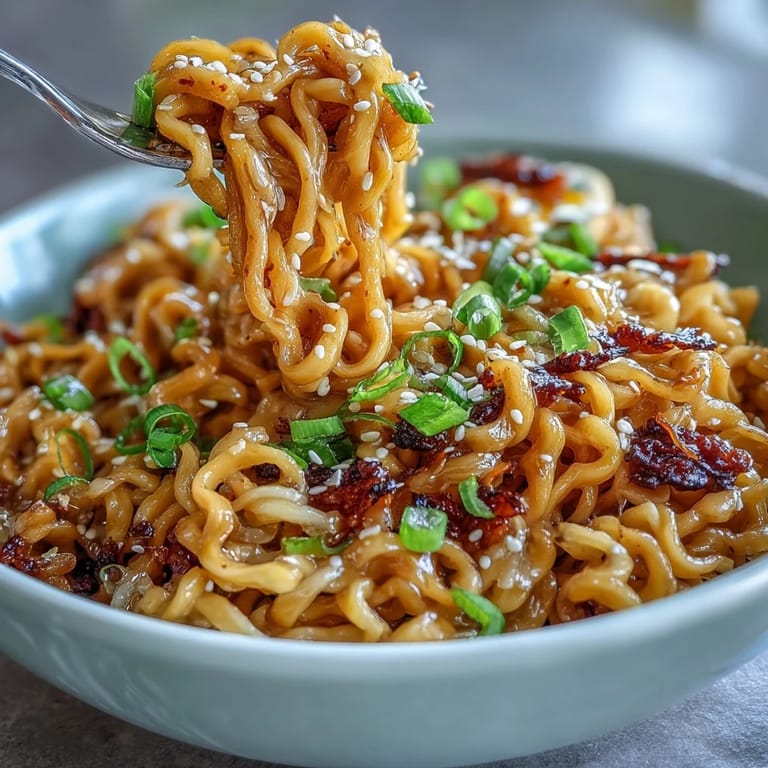
Save May your next bowl of garlic butter ramen be just as comforting and quick. Sometimes the tastiest things really do start with a simple pack of noodles.
Questions & Answers
- → How do I prevent the garlic from burning?
Sauté garlic over medium heat and watch closely; cook just until fragrant (1–2 minutes). If it starts to brown, lower the heat and add the butter or a splash of soy to stop further browning.
- → Can I use fresh or other noodles instead of instant packs?
Yes. Fresh ramen or udon work well; shorten the cooking time accordingly. For dried noodles, follow package timing and drain well before tossing in the sauce.
- → How can I make this vegetarian or vegan?
Use plant-based butter and a vegetarian noodle without animal-derived seasoning. Swap regular soy sauce for tamari if you need gluten-free; omit eggs or use marinated tofu slices as a topping.
- → What’s the easiest way to get soft-boiled eggs?
Gently lower eggs into boiling water and cook 6–7 minutes for jammy yolks. Transfer to an ice bath immediately, peel carefully, and halve before topping the noodles.
- → What proteins pair best with the garlic-butter sauce?
Grilled chicken, pan-seared shrimp or firm tofu all complement the sweet-savory sauce. Cook proteins separately and fold them into the noodles at the end to keep textures intact.
- → How should I store and reheat leftovers?
Store noodles and sauce together in an airtight container in the fridge for up to 2 days. Reheat gently in a skillet over low heat with a splash of water or extra butter to loosen the sauce; avoid high heat to prevent dryness.