 Save
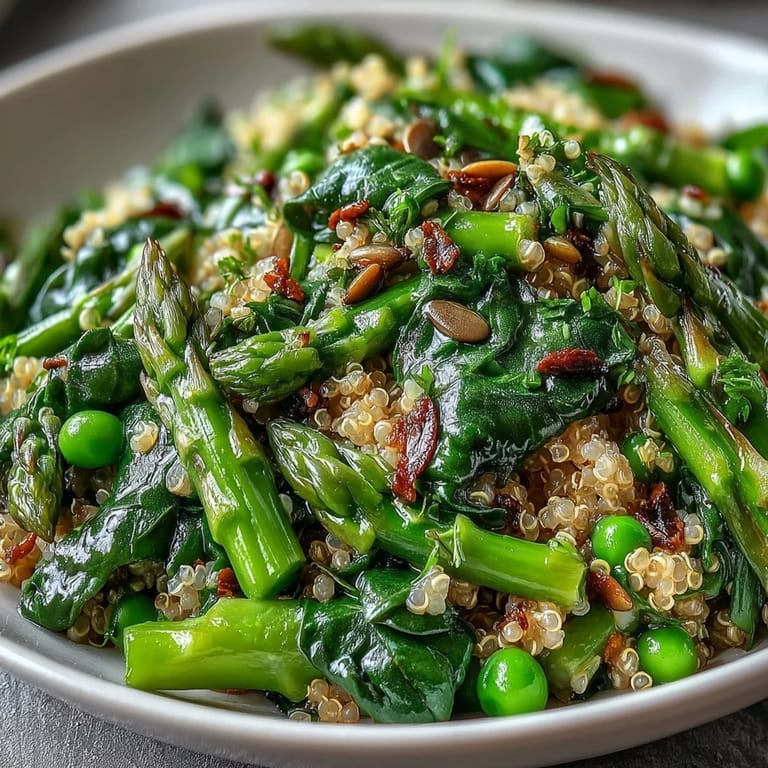
Save Last spring, I found myself standing in the farmer's market on a Saturday morning, overwhelmed by the sheer abundance of green everything—peas still in their pods, asparagus bundled so fresh they practically glowed, beans I'd never seen before. A vendor caught me staring and said, "Make a bowl with all of it," which seemed impossibly simple until I started layering them over warm quinoa at home. That casual suggestion turned into something I make whenever I need to feel alive again—a bowl that tastes like the season itself.
I made this for my sister the afternoon she told me she was moving across the country, and we sat on my kitchen counter eating straight from the bowls, talking about everything and nothing. The lemon dressing somehow made the moment feel less heavy—there's something about bright, fresh food that helps you say harder things. She's still across the country, but she texts me pictures of her own versions of this bowl.
Ingredients
- 1 cup quinoa, brown rice, or farro (180 g): The grain is your foundation here—quinoa cooks fastest if you're in a hurry, but brown rice has this nutty depth that makes the whole bowl feel more substantial, and farro brings a slight chewiness that I love.
- 2 cups water and ½ tsp salt: The salt in the cooking water seasons the grains from the inside out, which is a small move that makes a real difference in flavor.
- 1 cup fresh or frozen green peas (150 g): Frozen peas are genuinely better than sad fresh ones—they're picked at peak sweetness and taste fresher than you'd expect.
- 1 cup asparagus, trimmed and cut into 2-inch pieces (120 g): Cut them all the same size so they blanch evenly, and please don't skip snapping off the woody ends—it matters more than you'd think.
- 1 cup green beans, trimmed and cut into 2-inch pieces (120 g): These are forgiving and hold their texture beautifully when blanched, which is why they're such a reliable part of this bowl.
- 2 cups baby spinach leaves (60 g): The quick sauté mellows it just enough that it stops tasting raw but never gets wimpy.
- 3 tbsp extra-virgin olive oil: This is where you spend a little money—good oil makes the whole dressing sing.
- 2 tbsp freshly squeezed lemon juice and 1 tsp lemon zest: Fresh lemon is non-negotiable; bottled juice tastes hollow by comparison.
- 1 tsp Dijon mustard: It emulsifies the dressing and adds a subtle tang that ties everything together.
- 1 tsp maple syrup or honey: Just enough to balance the acidity without making it sweet—use maple syrup if you want to keep it vegan.
- 1 small garlic clove, minced: One clove is enough; garlic can quickly overpower the delicate vegetables.
- Salt and freshly ground black pepper: Taste as you go because the grains will have picked up some salt already.
- 2 tbsp toasted pumpkin or sunflower seeds, ¼ cup crumbled feta (optional), fresh herbs: These toppings add texture and brightness—the seeds give you a little crunch that keeps each bite interesting.
Tired of Takeout? 🥡
Get 10 meals you can make faster than delivery arrives. Seriously.
One email. No spam. Unsubscribe anytime.
Instructions
- Rinse and set up your grains:
- Run your quinoa or grain under cold water in a fine sieve—this step matters more than people realize because it removes the bitter outer coating. Bring your salted water to a rolling boil while you're at it.
- Simmer the grains gently:
- Add the grains to boiling water, reduce the heat immediately, cover, and let them cook quietly until the water absorbs and they're tender. This usually takes about 15 minutes for quinoa, longer for brown rice, so follow the package if you're unsure.
- Blanch the spring vegetables with intention:
- Get a big pot of salted water boiling and set up a bowl of ice water nearby—this contrast is what keeps the vegetables bright green and snappy. Blanch the peas, asparagus, and green beans separately for just 2 to 3 minutes each, moving them quickly to the ice water to stop them from cooking further.
- Wilt the spinach gently:
- Heat a skillet over medium heat and add the spinach without any oil—it releases its own moisture. Let it cook for just a minute or two until it's soft but not dark, then turn off the heat.
- Whisk the dressing with confidence:
- In a small bowl, combine the olive oil, lemon juice, zest, mustard, maple syrup, and minced garlic, then whisk until the mixture becomes creamy and emulsified. Taste it and adjust the seasoning with salt and pepper until it tastes bright and balanced.
- Build each bowl like you're creating something beautiful:
- Start with a base of warm grains, then arrange the blanched vegetables and wilted spinach on top in whatever way makes you happy. Pour the dressing over everything so it soaks into the grains.
- Finish with intention:
- Scatter the toasted seeds, feta if you're using it, and fresh herbs over the top right before serving so they stay crisp and visible.
 Save
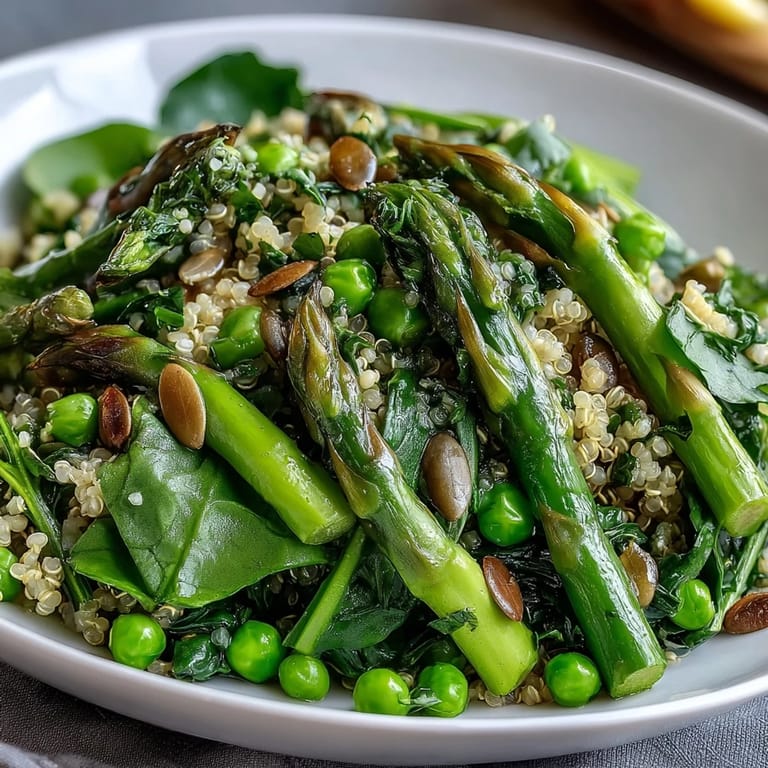
Save There's a moment when you pull that first bowl together and see all those colors—the golden grains, the vivid greens, the shine of the dressing—and you realize this is exactly what your body needs. That moment never gets old.
Grain Options and Why They Matter
Quinoa is my default because it cooks in 15 minutes and has this light, fluffy texture that doesn't compete with the vegetables—but brown rice brings an earthiness that makes the whole bowl feel more grounding, and farro adds a satisfying chewiness. I've learned that different grains absorb the dressing differently, so taste as you assemble and adjust the dressing amount. If you want something even faster, you could use pre-cooked grains from the grocery store without any shame at all.
The Blanching Technique That Changed Everything
I used to just steam my vegetables until they were soft and sad, until someone explained that blanching—boiling quickly then shocking in ice water—is what restaurants do to keep everything crisp and colored. The science is simple: the boiling water heats the vegetables quickly and sets their color, while the ice water stops the cooking immediately. Once I understood this, every vegetable-based dish I made got better because I finally understood why restaurant food looked and tasted different.
Making It Ahead and Keeping It Fresh
This bowl is perfect for meal prep because you can cook everything the night before, but here's the trick—keep the dressing and toppings completely separate until you're ready to eat. The dressing will make the grains and vegetables soggy if they sit together for more than a few hours, but the individual components keep beautifully in the refrigerator. I usually store the grains, blanched vegetables, and wilted spinach in one container, then toss everything together with freshly made dressing right before lunch.
- Store blanched vegetables in an airtight container and they'll stay perfect for three days.
- Make the dressing fresh right before serving for the brightest flavor, though it keeps for a few days in a jar.
- Toast your seeds the morning you're eating so they stay crisp and don't get soggy.
 Save
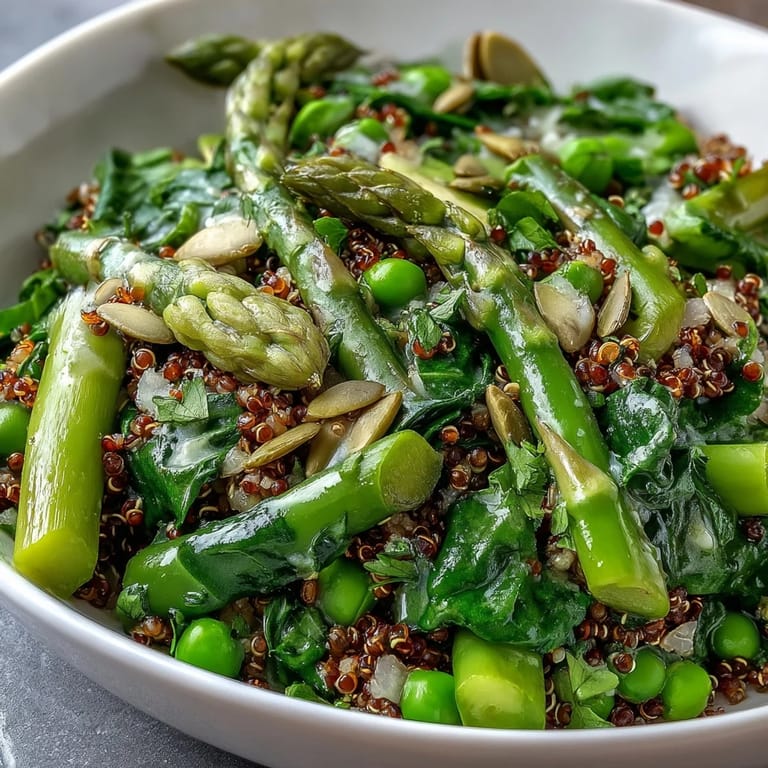
Save This bowl tastes like spring on a plate, and it's simple enough that you can make it whenever you need something that feels both nourishing and celebratory. Make it, eat it, feed it to someone, and notice how the colors make you feel.
Questions & Answers
- → Can I make this bowl ahead of time?
Yes, prepare grains and vegetables up to 3 days ahead. Store dressing separately and toss just before serving to keep vegetables crisp.
- → What other grains work well?
Bulgur, couscous, barley, or even cauliflower rice make excellent substitutes. Adjust cooking time according to package directions.
- → How do I blanch vegetables properly?
Boil salted water, cook vegetables 2-3 minutes until bright green, then immediately transfer to ice water. This stops cooking and preserves color.
- → Can I add protein to make it more filling?
Grilled chicken, baked tofu, roasted chickpeas, or a soft-boiled egg all complement the flavors beautifully without overpowering the fresh vegetables.
- → Is this suitable for meal prep?
Absolutely. Layer ingredients in glass containers, keeping dressing separate. The grains and vegetables reheat well, or enjoy cold for a refreshing lunch.