 Save
Save The first time I held a sheep's stomach in my hands, I nearly dropped it. My Scottish grandmother stood beside me in her kitchen, sleeves rolled up, completely unbothered by my squeamishness. She explained that haggis wasn't something to fear, but to respect—a dish born from resourcefulness and generations of people making something extraordinary from every part of the animal. That day changed how I thought about cooking.
Years later, I made haggis for a dinner party where no one had ever tried it before. The room went quiet after the first bite, and then someone asked for seconds. That's when I realized haggis isn't about shock value or tradition for tradition's sake—it's about flavor, texture, and the satisfaction of eating something made with intention. Everyone left that night with a story.
Ingredients
- Sheep's heart, liver, and lungs (500 g): This is the soul of haggis, and while it sounds intimidating, these organs become incredibly tender after simmering and deliver a deep, savory richness that defines the dish. If you can't source offal, quality lamb or beef mince works, though you'll lose some of that characteristic flavor.
- Beef or lamb suet (200 g, finely chopped): Suet is crucial—it keeps the haggis moist and adds necessary fat for texture. Don't skip this or substitute with oil; the melting quality of suet is irreplaceable.
- Steel-cut oats (150 g, toasted): Toasting them first deepens their nutty flavor and prevents the haggis from becoming gluey. This small step makes a noticeable difference.
- Onions (2 medium, finely chopped): They soften into the mixture during cooking, adding sweetness and aromatic depth without any harshness.
- Beef stock (250 ml): This binds everything together while adding savory resonance. Use good stock; it matters more here than you'd think.
- Ground spices (black pepper, coriander, nutmeg, allspice): These warm, slightly sweet spices are what make haggis taste like haggis. Don't measure them timidly—this dish needs bold seasoning.
- Salt (1½ tsp): Taste as you mix; you might need slightly more depending on your stock and offal.
- Sheep's stomach or sausage casing: If you're nervous about casings, a pudding basin covered with foil works beautifully and delivers identical results.
- Potatoes and turnips (500 g each): Boiled and mashed separately with butter, these are your neeps and tatties—essential companions that balance haggis's richness.
Tired of Takeout? 🥡
Get 10 meals you can make faster than delivery arrives. Seriously.
One email. No spam. Unsubscribe anytime.
Instructions
- Simmer the offal gently:
- Place your offal in cold water and bring it slowly to a boil. This gentle start keeps the meat tender and draws impurities into the water, which you'll pour away. Let it simmer for 1 to 2 hours until a fork passes through easily; you'll know it's ready when the kitchen smells intensely savory.
- Build the base:
- Once the offal cools enough to handle, mince it finely and combine it with suet, toasted oats, softened onions, and optional meat in a large bowl. The mixture should feel cohesive and smell aromatic, warm with spice.
- Mix in the binders and seasonings:
- Pour in your beef stock, add your full measure of spices and salt, then mix thoroughly with your hands or a wooden spoon until the texture is moist and uniform throughout. It should hold together but never feel wet or slippery.
- Fill your casing carefully:
- If using a stomach, rinse it inside and out, then gradually fill it, packing the mixture loosely to leave room for expansion during cooking. Tie the ends securely with kitchen twine, or if using a pudding basin, spoon the mixture in and cover tightly with foil.
- Steam in boiling water:
- Place your haggis in a pot of gently boiling water, making sure the water comes halfway up the sides but never covers the top. Simmer steadily for 2 hours, checking the water level every 30 minutes and topping up with hot water if needed.
- Prepare the accompaniments:
- About an hour into cooking, start boiling your cubed potatoes and turnips in separate pots until they collapse at the touch of a spoon. Drain them well, then mash each with butter and season generously with salt and pepper.
- Rest and serve:
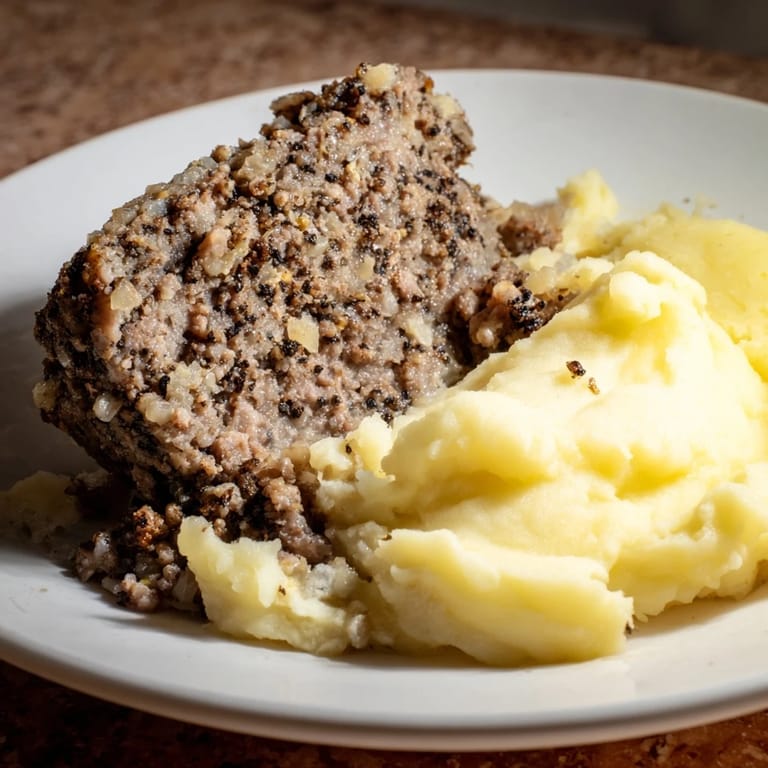
- Lift the haggis carefully from the water and let it rest for a few minutes. If using a casing, make a careful slit down the top and peel it back to reveal the fragrant filling beneath. Serve generous portions alongside steaming neeps and tatties.
 Save
Save My grandmother passed me her haggis recipe written on the back of an old grocery list, and I've made it dozens of times since. Each time, I'm reminded that cooking something this rooted in tradition is also an act of defiance—it says you trust your palate, you're not afraid of your food, and you value flavor over squeamishness.
Why This Dish Matters
Haggis represents something that's almost lost in modern cooking: the principle of using everything. In a world of plastic-wrapped cuts and processed convenience, making haggis is a quiet statement that good food comes from respect, care, and refusal to waste. It tastes like that philosophy in every bite.
Sourcing Your Offal
Finding good offal can be intimidating, but most Scottish butchers will have it, and many standard butchers will order it if you ask a day or two in advance. Don't be shy about telling them you're making haggis—they'll often have tips about their specific meat and might even suggest substitutions if what you need isn't available. Online suppliers also ship quality Scottish haggis directly if you want to bypass the cooking altogether, though making it yourself is genuinely worth the effort.
Serving and Pairing
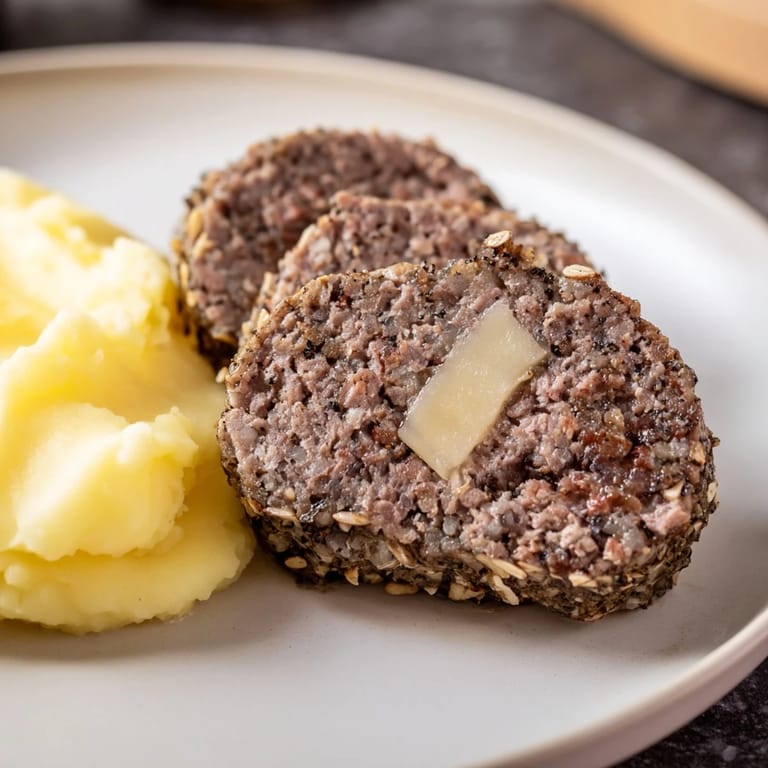
Haggis demands bold accompaniments: neeps and tatties are non-negotiable, but a whisky cream sauce elevates it further, adding richness and a subtle sweetness that plays beautifully against the spiced, savory filling. For drinks, a peaty Islay whisky or crisp Scottish ale pairs perfectly, though a full-bodied red wine works too. Some people drizzle the sliced haggis with good melted butter just before serving, which isn't traditional but transforms it into something restaurant-worthy.
- A touch of Dijon mustard on the side adds brightness to cut through the richness.
- If you're nervous about the whole casing idea, making haggis in a pudding basin produces identical results and feels less theatrical.
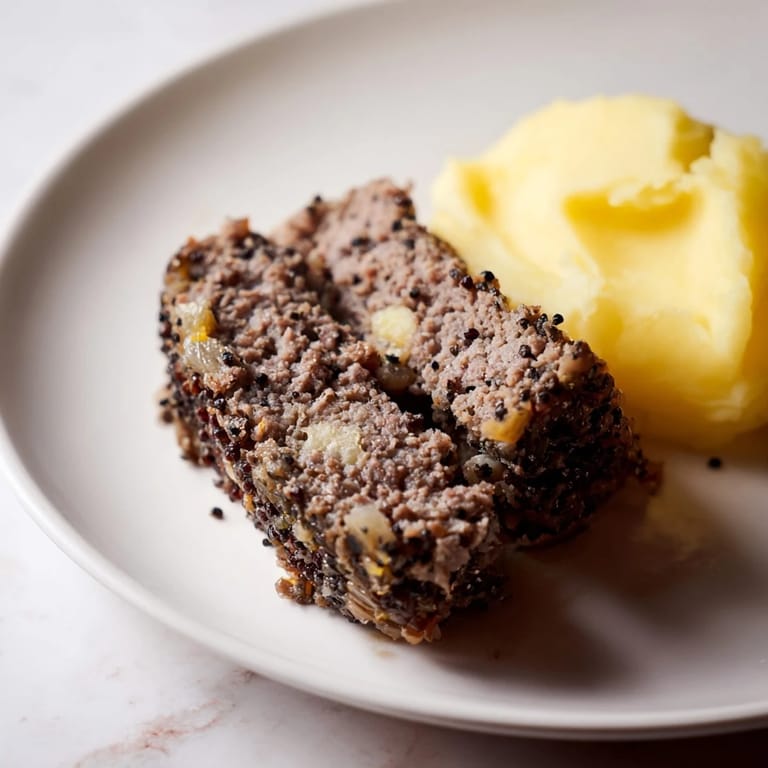
- Leftover haggis, sliced thin and pan-fried until the edges crisp, makes an unforgettable breakfast alongside fried eggs.
 Save
Save Making haggis changed how I cook because it taught me to trust tradition and my own palate over embarrassment or squeamishness. Now, every time someone hesitates before trying a bite, I see a moment of potential—the moment they might realize that the best food rarely looks like it sounds.
Questions & Answers
- → What meats are used in traditional Scottish haggis?
Traditional haggis includes sheeps heart, liver, and lungs, sometimes mixed with lamb or beef mince for texture.
- → How are neeps and tatties prepared as sides?
Turnips (neeps) and potatoes (tatties) are peeled, cubed, boiled until tender, then mashed with butter and seasoned with salt and pepper.
- → Can I make haggis without offal?
Yes, substituting offal with a mix of beef and lamb mince creates a milder flavor while maintaining texture.
- → What spices enhance the flavor of haggis?
Common spices include black pepper, coriander, nutmeg, allspice, and salt, giving a warm and balanced taste.
- → How is the haggis mixture cooked safely?
The mixture is filled into a cleaned sheep's stomach or pudding basin, then simmered gently for about two hours to cook thoroughly.