 Save
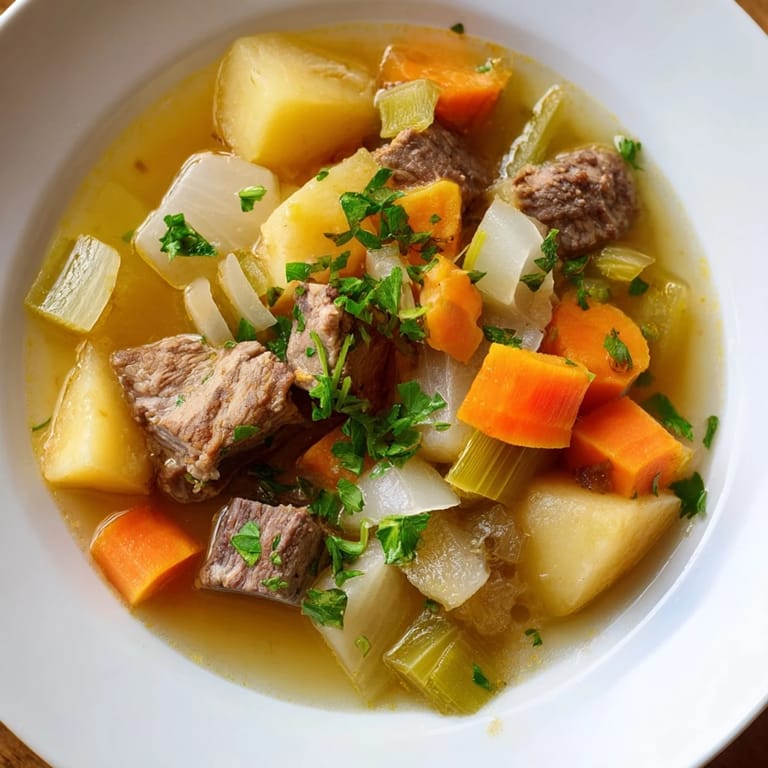
Save My grandmother's kitchen smelled like this stew year-round, but especially on the grey Welsh afternoons when rain drummed against the windows. She'd pull out that enormous pot without ceremony, just started chopping vegetables the way she'd done it a thousand times before. I watched her brown the lamb first, then add stock that steamed up into her face, and I realized cawl wasn't complicated—it was just patient. The vegetables went in stages, the leeks reserved for the end, and somewhere in that two-hour simmer, ordinary ingredients became something that made people sit closer around the table.
I made this for a group of friends on a night when the conversation had run dry and everyone was tired. By the time we bowled into that stew, something shifted—maybe it was the parsley hitting the nose, or the way the lamb had broken down into the broth, but suddenly everyone was talking again, laughing, asking for more. That's when I understood cawl isn't just food; it's a way of bringing people back to the table.
Ingredients
- Lamb shoulder, 1 kg chunks (bone-in preferred): Bone-in pieces stay juicier and give the broth a deeper, almost meaty sweetness—ask your butcher to leave some bone attached and resist trimming all the fat.
- Carrots, 2 large sliced: They soften into the broth and add natural sweetness without any effort on your part.
- Parsnips, 2 medium sliced: These bring an earthy, slightly nutty note that makes the whole pot taste more complex.
- Potatoes, 2 medium diced: They thicken the stew naturally as they break down, no roux needed.
- Swede (rutabaga), 1 small diced: This is the secret that catches people off guard—it adds a gentle sweetness and slightly creamy texture.
- Leeks, 2 cleaned and sliced: Split them in half lengthwise and wash between the layers where grit hides, then slice; add most now and reserve a handful for a fresh finish.
- Onion, 1 medium diced: It breaks down completely into the broth, building flavor from the ground up.
- Stock, 1.5 liters low-sodium: Lamb stock is traditional but chicken works fine; taste it first and go lighter rather than heavier on seasoning.
- Bay leaves, 2: They add a subtle herbiness without shouting about it.
- Parsley, 1 small bunch chopped: Add most at the end so it stays bright and doesn't disappear into brown.
- Salt and black pepper: Start with less than you think; the broth concentrates as it simmers.
Tired of Takeout? 🥡
Get 10 meals you can make faster than delivery arrives. Seriously.
One email. No spam. Unsubscribe anytime.
Instructions
- Brown the Lamb (optional but worth it):
- If you have a moment, brown the lamb pieces in the pot with a little oil before adding stock—it takes five minutes and adds a layer of flavor that makes people ask what's different. If you skip it, the stew still works; cawl isn't fussy about this step, just better with it.
- Start the Broth:
- Put your lamb chunks into the pot, cover with stock, and bring it to a rolling boil. You'll see foam rise to the surface—skim it off with a spoon because it's just impurities and your broth deserves to be clear and clean.
- First Simmer:
- Add the bay leaves, cover, and drop the heat to low so it's just barely bubbling. Leave it alone for a full hour while the lamb grows tender and the broth becomes golden and rich.
- Add the Root Vegetables:
- Toss in your carrots, parsnips, potatoes, swede, onion, and most of the leeks (save a handful). Season with salt and pepper, not too much yet, then cover again and simmer another 45 minutes until everything is soft.
- Finish with Fresh Leeks:
- Stir in that reserved leek and the chopped parsley, then let it bubble for just 10 more minutes so the leek stays slightly crisp and the parsley stays bright green.
- Taste and Adjust:
- Fish out the bay leaves, take a spoon, taste it honestly, and add more salt or pepper if it needs it. This is your moment to make it yours.
 Save
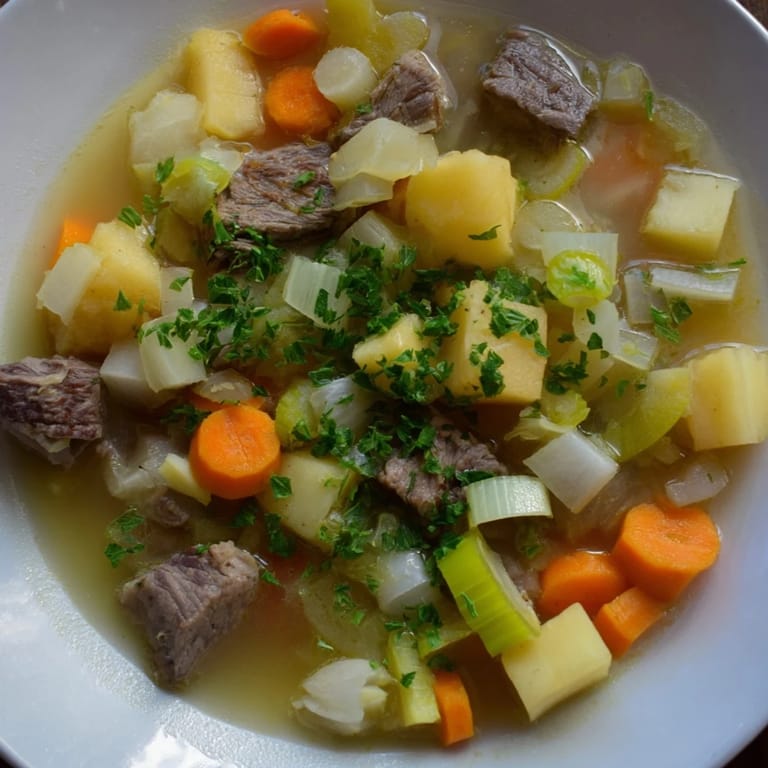
Save My uncle came to stay one winter, and I made cawl the morning before he arrived, left it in the fridge overnight, and reheated it gently while he was unpacking. He took one spoonful and stopped mid-chew, then looked at me and said it tasted like home—and even though this wasn't his home, that's what I'd wanted him to feel. That's when I knew I'd gotten it right.
The Welsh Tradition
Cawl has been Wales's answer to winter since people started keeping sheep in the mountains. It's not fancy, it's not trying to impress anyone—it's just honest food that sustained people through seasons when fresh vegetables were months away. Every family has a slightly different version, and that's not a bug, it's the whole point. You're not learning a recipe; you're learning a way of thinking about feeding people.
Timing and Patience
Two hours sounds long until you realize you're only actually working for about twenty minutes at the beginning and end. The magic happens in the middle while you sit down with a cup of tea and listen to it bubble quietly under the lid. Don't rush it by turning up the heat; a gentle simmer breaks down the lamb properly and keeps everything from turning to mush. The stew knows what it needs, and if you give it time, it'll tell you when it's done.
Serving and Leftovers
Cawl is best in a deep bowl with crusty bread to soak up the broth and a wedge of Welsh cheese on the side if you can find it—Caerphilly is traditional, sharp and slightly crumbly. Leftovers keep brilliantly for three days in the fridge, and reheating it gently on the stovetop brings the flavors back even stronger. This stew might be even better the second or third time around than it was the first night.
- Serve in wide bowls so people can really taste the broth and not just eat vegetables.
- If it thickens too much in storage, thin it with a splash of stock when you reheat.
- Freeze it for up to three months, and it thaws into something almost better than the original.
 Save
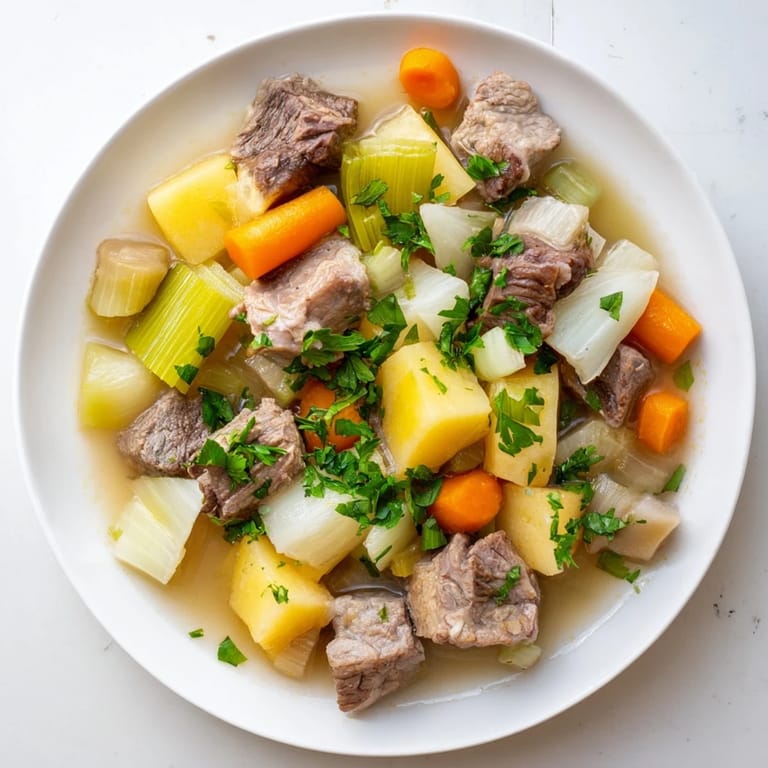
Save Make this cawl and you'll understand why Welsh grandmothers didn't need complicated recipes to feed their families well. It's just meat, vegetables, time, and care—and somehow that's everything.
Questions & Answers
- → What cut of meat is best for this stew?
Lamb shoulder with the bone in is preferred for its rich flavor and tenderness when slow-cooked.
- → Can other vegetables be used in this stew?
Root vegetables like carrots, parsnips, potatoes, and swede create the classic flavor profile, but you can add other sturdy vegetables if desired.
- → How long should the stew simmer?
Simmer the stew gently for about 1 hour before adding vegetables, then continue simmering for another 45 minutes until everything is tender.
- → Is this stew suitable for gluten-free diets?
Yes, it’s naturally gluten-free if served without bread. Always check stock ingredients for hidden gluten sources.
- → Can the stew be made ahead of time?
Absolutely, the flavors deepen if made a day in advance, and leftovers reheat well for convenience.