 Save
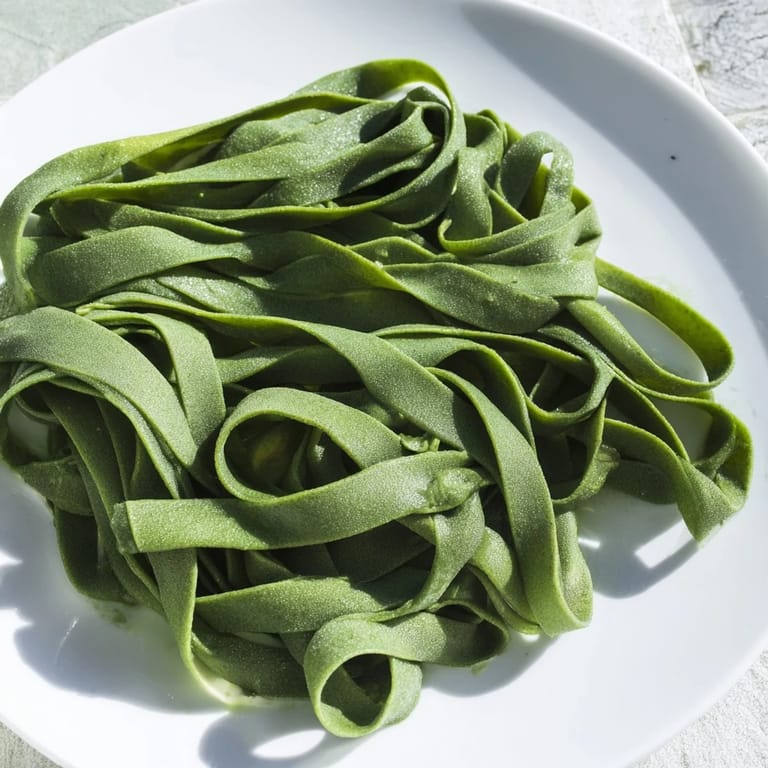
Save The first time I made spinach pasta, I stood in my tiny apartment kitchen watching bright green shreds of dough cling to my fingers. My boyfriend laughed because I looked like I had been gardening rather than cooking. But when those emerald fettuccine hit the boiling water, something magical happened.
Last spring, I made this for my sister who swears she hates vegetables. She ate three helpings and then asked if there was actually spinach in the pasta. Now she requests it whenever she visits, proving that sometimes the best way to eat your greens is to hide them in something irresistible.
Ingredients
- Fresh baby spinach: Baby spinach has a sweeter, more delicate flavor than mature spinach and blends into a smoother puree. Squeeze out every drop of water after blanching or your dough will be sticky.
- Large eggs: Room temperature eggs incorporate more easily into the flour. The richness creates a tender dough that holds together beautifully when rolled thin.
- Italian 00 flour: This finely milled flour creates silkier pasta than all-purpose. The lower protein content means the dough stays pliable and resists getting tough.
- Semolina flour: Adding semolina gives the pasta a lovely texture and helps it hold its shape. If you cannot find it, just use more 00 flour.
- Fine sea salt: Salt enhances the spinach flavor and seasons the dough from within. Use fine salt so it dissolves evenly into the flour mixture.
Tired of Takeout? 🥡
Get 10 meals you can make faster than delivery arrives. Seriously.
One email. No spam. Unsubscribe anytime.
Instructions
- Blanch the spinach:
- Drop the fresh spinach into boiling water for just 30 seconds. It should wilt instantly. Rinse immediately under cold water to stop the cooking process and preserve that bright green color.
- Prep the spinach puree:
- Squeeze the blanched spinach in your fists until no more water drips out. This is crucial. Pulse in a food processor until completely smooth, scraping down the sides as needed.
- Build the flour well:
- Mound both flours and salt on your clean counter, creating a tall volcano shape. Use your fingers to carve out a deep well in the center, leaving walls of flour around the edges.
- Combine eggs and spinach:
- Crack the eggs into the well and add the spinach puree. Using a fork, gently whisk the eggs and spinach together, then slowly pull flour from the inner walls into the liquid mixture.
- Knead the dough:
- When the mixture becomes too thick to whisk, use your hands to bring it together. Knead firmly for 8 to 10 minutes until the dough transforms from shaggy to smooth and springs back when pressed.
- Rest the dough:
- Wrap the dough tightly in plastic and let it rest at room temperature for 30 minutes. This relaxes the gluten, making it much easier to roll out without snapping back.
- Roll and shape:
- Cut the dough into 4 pieces. Flatten one piece with your hand, then roll it through your pasta machine on the widest setting. Fold it like a letter, rotate, and repeat several times. Gradually decrease the thickness setting until you reach your desired thinness.
- Cook the pasta:
- Boil salted water and drop in the fresh pasta. It cooks incredibly fast, usually just 1 to 2 minutes. Taste a piece frequently and drain as soon as it reaches al dente.
 Save
Save My niece helped me roll out this dough last summer. Her little hands were covered in green specks and she kept sneaking pieces of raw dough to taste. We made terrible, misshapen ravioli that burst in the boiling water, but we laughed so hard while eating our messy dinner.
Getting the Right Color
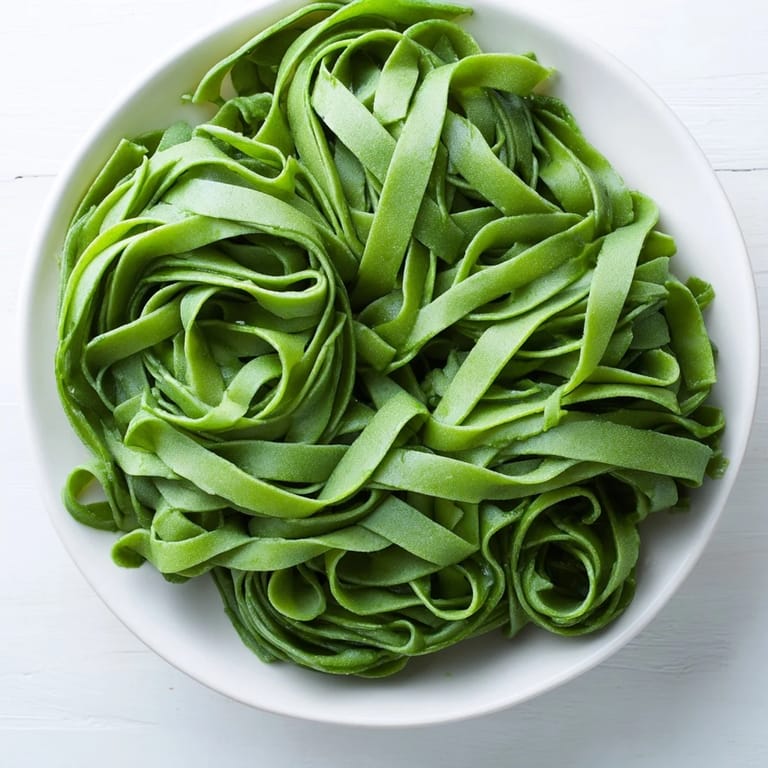
The vibrant green of this pasta comes from blanching the spinach quickly and shocking it in cold water. Overcooking the spinach before pureeing will make it turn an unappealing olive color. Work quickly and blend immediately while the spinach is still bright.
Rolling by Hand
Without a pasta machine, roll the dough as thin as possible. The dough should be almost translucent. Use a sharp knife or pizza cutter to cut your noodles. They will be slightly less uniform, but just as delicious.
Serving Suggestions
Spinach pasta shines with simple sauces that do not compete with its delicate flavor. Brown butter and sage, cream sauce with parmesan, or just olive oil and garlic all let the pasta be the star.
- Try pairing with a light cream sauce and fresh herbs
- Grate lemon zest over the finished pasta for brightness
- Save some pasta water to help emulsify your sauce
 Save
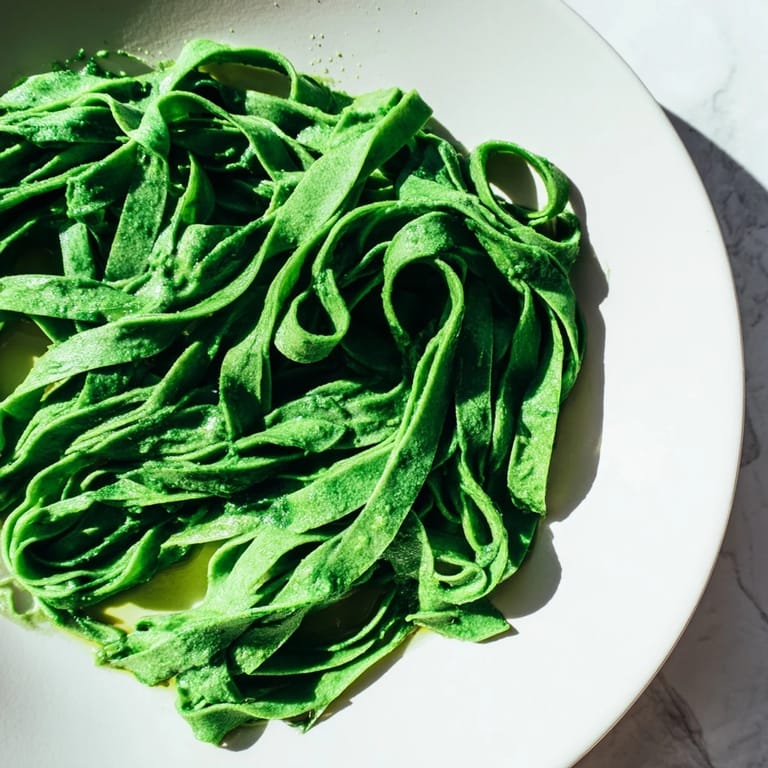
Save There is something deeply satisfying about eating pasta you made yourself, especially when it is this stunningly green. Store-bought pasta will never quite compare.
Questions & Answers
- → Why use 00 flour instead of regular flour?
Italian 00 flour is finely ground, creating a smoother, more elastic dough that rolls thinly without tearing. The finer texture produces tender pasta with a delicate bite.
- → Can I make this without a pasta machine?
Absolutely. Use a rolling pin to roll the dough thinly, then cut with a sharp knife or pizza cutter. The dough requires a bit more elbow grease but yields excellent results.
- → How do I prevent the dough from being too sticky?
Squeeze as much moisture as possible from the blanched spinach before blending. If the dough feels sticky during kneading, sprinkle small amounts of flour gradually until smooth and elastic.
- → What's the purpose of the resting period?
Resting allows the gluten strands to relax, making the dough more pliable and easier to roll thinly without snapping back. Thirty minutes at room temperature is ideal.
- → Can I freeze this pasta dough?
Yes, wrap the dough tightly in plastic and freeze for up to 1 month. Thaw overnight in the refrigerator before rolling and cutting into shapes.
- → Why cook fresh pasta for only 1-2 minutes?
Fresh pasta contains more moisture than dried, so it cooks much faster. Watch closely—the pasta floats to the surface when done and should have a tender, al dente texture.