 Save
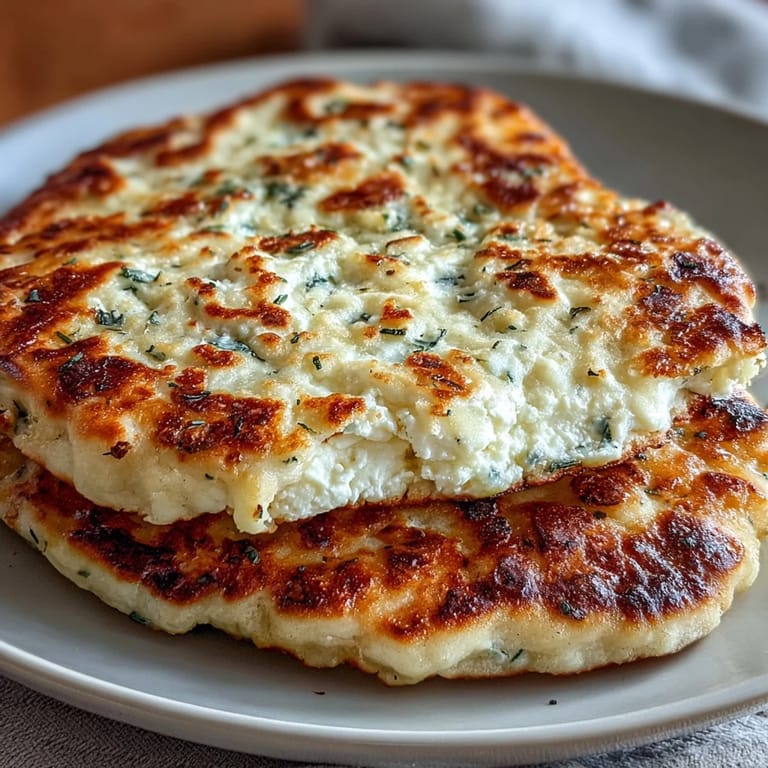
Save My neighbor knocked one morning holding a container of cottage cheese that was about to expire. I wasn't about to let it go to waste, so I started digging through old bookmark folders and found a scribbled note about tangy flatbreads. Twenty minutes later, the kitchen smelled like a bakery crossed with a pizzeria. I've been making these ever since, sometimes on purpose, sometimes in a panic when bread runs out.
I made a batch during a surprise visit from my sister's kids, and they stood at the stove watching the bubbles form like it was a magic show. We turned half into cinnamon sugar snacks and the other half into turkey wraps. Nobody asked for regular bread after that. It became our rainy afternoon tradition, and I started keeping cottage cheese stocked just in case.
Ingredients
- All-purpose flour: The backbone of the dough, giving structure without heaviness. Keep extra nearby for dusting your hands and counter.
- Baking powder: Creates those airy pockets and lifts the dough just enough to feel like real bread. Make sure it's fresh or the flatbreads stay dense.
- Fine salt: Balances the tang from the cheese and wakes up all the other flavors. Don't skip it.
- Garlic powder: Optional but worth it for a hint of savory warmth that lingers after every bite.
- Full-fat cottage cheese: The secret ingredient that adds moisture, protein, and a gentle sourness. Drain it well or the dough gets too sticky.
- Egg: Binds everything together and adds richness. One large egg is all you need.
- Olive oil: Keeps the dough tender and adds a subtle fruity note. Use it in the dough and for greasing the pan.
- Fresh chopped herbs: Parsley or chives bring brightness and a pop of green. Dried herbs work too, just use half the amount.
- Water: Only if the dough feels crumbly. Add it slowly, a teaspoon at a time, until the dough barely holds together.
Tired of Takeout? 🥡
Get 10 meals you can make faster than delivery arrives. Seriously.
One email. No spam. Unsubscribe anytime.
Instructions
- Mix the dry base:
- Whisk the flour, baking powder, salt, and garlic powder in a medium bowl until no clumps remain. This ensures even seasoning in every bite.
- Combine the wet ingredients:
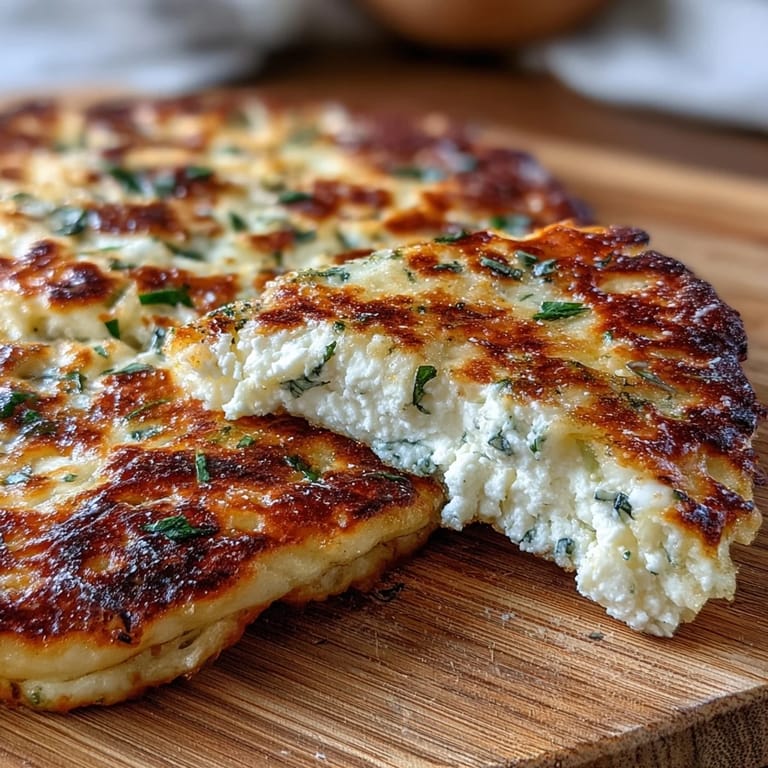
- In another bowl, mash the drained cottage cheese with the egg, olive oil, and herbs using a fork until mostly smooth. A few curds are fine.
- Bring the dough together:
- Pour the wet mixture into the dry and stir gently with a spatula until a shaggy dough forms. If it looks too dry, drizzle in water one teaspoon at a time.
- Knead lightly:
- Turn the dough onto a floured surface and fold it over itself 6 to 8 times until it forms a soft ball. Overworking makes it tough, so stop when it holds together.
- Let it rest:
- Cover the dough with a towel or plastic wrap and let it sit for 10 minutes. This relaxes the gluten and makes rolling easier.
- Divide and shape:
- Cut the dough into 4 equal pieces and roll each into a smooth ball. Flatten each ball into a round about a quarter inch thick, dusting with flour as needed.
- Heat the skillet:
- Warm a nonstick or cast-iron skillet over medium heat and brush lightly with olive oil. Too much oil makes them greasy, too little makes them stick.
- Cook the first side:
- Place one flatbread in the hot pan and cook for 2 to 3 minutes until bubbles form and the underside turns golden. The bubbles are your sign to flip.
- Finish cooking:
- Flip and cook another 1 to 2 minutes until golden and cooked through. Adjust the heat if they brown too fast or stay pale.
- Keep warm and serve:
- Transfer each cooked flatbread to a plate and cover with a clean towel to keep them soft. Repeat with the remaining dough, adding more oil to the pan as needed.
 Save
Save One evening I pulled a batch from the skillet and watched my husband fold one around leftover grilled chicken without saying a word. He took a second one, then a third. When I asked if he liked them, he just nodded with his mouth full. That quiet approval told me everything. These flatbreads don't need fanfare. They just work.
How to Store and Reheat
I stack cooled flatbreads between sheets of parchment paper and slide them into a zip-top bag. They keep in the fridge for up to three days and freeze beautifully for a month. When I need one, I reheat it in a dry skillet for 30 seconds per side or wrap it in a damp paper towel and microwave for 15 seconds. They come back soft and warm, almost like they were just made.
Ways to Use Them
These flatbreads are the ultimate blank canvas. I've used them as sandwich wraps, torn them into pieces for dipping into hummus, and topped them with marinara and mozzarella for quick personal pizzas. My favorite trick is brushing them with melted butter and sprinkling cinnamon sugar on top while they're still warm. They transform into something that feels like dessert but started as lunch.
Variations and Swaps
If you need gluten-free flatbreads, swap in a 1:1 gluten-free flour blend and add a tablespoon of ground flaxseed to help with texture. I've also stirred in finely chopped spinach, sun-dried tomatoes, or even crumbled feta for extra flavor. The dough is forgiving enough to handle most add-ins as long as you don't add too much moisture. Here are a few more ideas I've tried:
- Mix in a pinch of smoked paprika or cumin for a warm, earthy flavor.
- Use Greek yogurt instead of cottage cheese for a smoother, creamier dough.
- Brush the finished flatbreads with garlic butter and sprinkle with parsley for garlic naan vibes.
 Save
Save These flatbreads have saved more last-minute meals than I can count. They're the kind of recipe that feels like a small victory every time, and I hope they do the same for you.
Questions & Answers
- → What makes these flatbreads fluffy?
The combination of baking powder and the moisture from cottage cheese creates steam during cooking, causing the flatbreads to puff up. The resting period also allows the dough to relax, making it more tender.
- → Can I taste the cottage cheese?
No—the cottage cheese blends into the dough, adding moisture, protein, and just a subtle tang. You won't detect distinct curds in the finished flatbreads.
- → How do I store and reheat leftovers?
Keep in an airtight container in the refrigerator for up to 3 days, or freeze for up to 1 month. Reheat in a skillet for 1–2 minutes per side, or microwave with a damp paper towel for 20–30 seconds.
- → Can I make these gluten-free?
Yes—use a 1:1 gluten-free flour blend and add 1 tablespoon ground flaxseed to help bind the dough. The texture will still be soft and pliable.
- → What can I serve with these flatbreads?
They pair wonderfully with hummus, tzatziki, or olive tapenade. Use them as wraps for grilled vegetables, stuff them with scrambled eggs, or top with tomato sauce and cheese for an easy pizza.
- → Why is the dough sticky?
The dough should be slightly sticky for the softest results. If it's too sticky to handle, lightly dust your hands and surface with flour. Avoid adding too much flour, which can make the flatbreads tough.