 Save
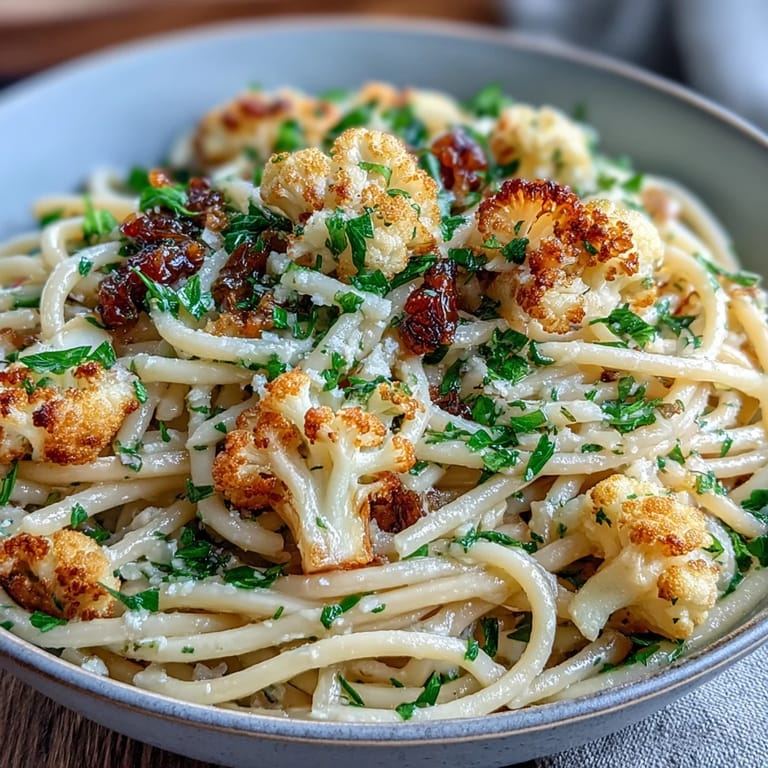
Save My neighbor handed me a bag of cauliflower over the fence one Saturday, insisting I had to try something different with it. I was skeptical at first, but the combination of sweet raisins and salty anchovies sounded odd enough to work. That evening, I threw it all together with whatever I had in the pantry, and the kitchen filled with this incredible savory-sweet aroma that had my partner wandering in asking what smelled so good. It became one of those dishes that surprises you with how much flavor can come from such simple ingredients. Now it's my go-to when I want something that feels special without the fuss.
I made this for a small dinner party once, and one of my friends who claimed to hate anchovies went back for seconds before I told her what was in it. She laughed and admitted she never would have tried it if she'd known. That night taught me how ingredients we think we dislike can completely transform when cooked with care and combined thoughtfully. The lemon zest at the end was her favorite part, she said it made everything taste brighter and more alive. It's been requested at every gathering since.
Ingredients
- Whole wheat spaghetti: The nutty flavor of whole wheat stands up beautifully to the bold ingredients here, and it holds the sauce better than regular pasta.
- Cauliflower: Roasting is key, it brings out natural sweetness and creates those crispy golden bits that make this dish addictive.
- Garlic: Slice it thin so it softens and sweetens in the oil rather than burning, adding a mellow aromatic backbone.
- Red chili: Just a little heat wakes up all the other flavors without overpowering, but feel free to skip it if you prefer things mild.
- Flat-leaf parsley: Fresh parsley at the end adds a bright, grassy note that cuts through the richness.
- Anchovy fillets: They dissolve into the oil and create a salty, savory depth that is the soul of this dish.
- Raisins: These plump up slightly in the heat and offer bursts of sweetness that contrast beautifully with the anchovies.
- Capers: Their briny tang adds another layer of complexity and keeps everything balanced.
- Lemon zest: A bright, citrusy finish that lifts the whole dish and makes it feel lighter.
- Extra virgin olive oil: Use a good quality one, it carries all the flavors and adds its own fruity richness.
Tired of Takeout? 🥡
Get 10 meals you can make faster than delivery arrives. Seriously.
One email. No spam. Unsubscribe anytime.
Instructions
- Roast the Cauliflower:
- Preheat your oven to 220°C (425°F) and toss the cauliflower florets with a tablespoon of olive oil, salt, and pepper. Spread them out on a baking sheet without crowding and roast for 18 to 20 minutes, flipping halfway, until they're golden brown with crispy edges.
- Cook the Pasta:
- While the cauliflower roasts, bring a large pot of well-salted water to a rolling boil and cook the spaghetti until it's just al dente. Before draining, scoop out half a cup of that starchy pasta water, it's your secret weapon for bringing the sauce together.
- Build the Flavor Base:
- In a large skillet over medium heat, warm the remaining tablespoon of olive oil and sauté the sliced garlic and chopped chili for about a minute until fragrant. Add the anchovies and capers, stirring gently as the anchovies dissolve into the oil and create a savory, aromatic base.
- Combine Everything:
- Toss in the raisins and roasted cauliflower, stirring gently to coat them in that flavorful oil. Add the drained spaghetti along with a splash of reserved pasta water, tossing everything together until the pasta is glossy and well coated.
- Finish and Serve:
- Remove the skillet from the heat and stir in the lemon zest and chopped parsley, tasting and adjusting the seasoning with more salt and pepper if needed. Serve immediately with an extra drizzle of olive oil and a sprinkle of parsley on top.
 Save
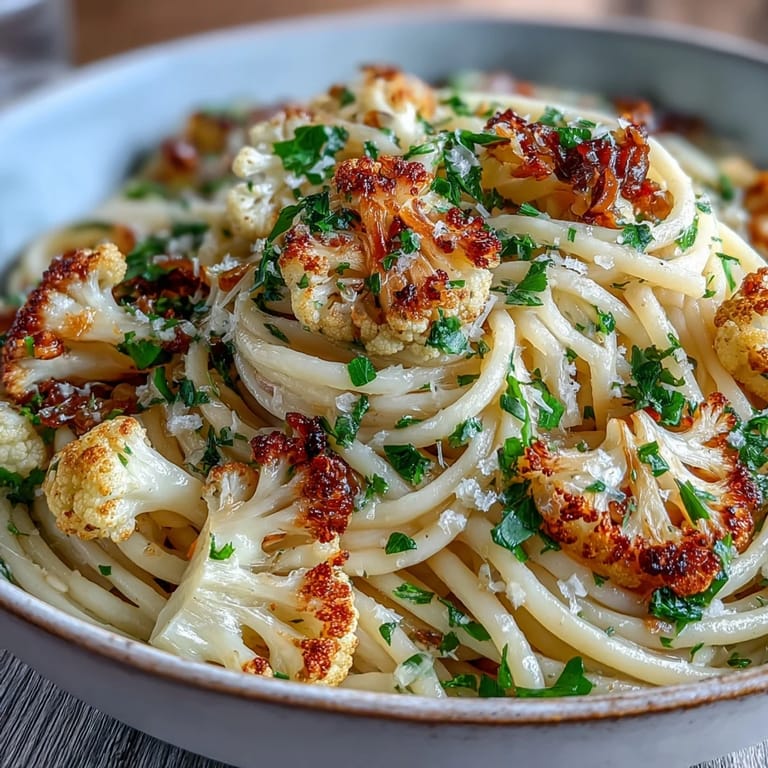
Save One rainy Tuesday, I made this for myself after a long day and ate it straight from the skillet while standing at the counter. There was something comforting about the way the flavors mingled, salty and sweet and bright all at once, that made the day feel a little less heavy. Sometimes the best meals aren't the ones you plan or photograph, they're the ones you make when you need something warm and good. This dish has become that for me, a simple pleasure that never fails to lift my mood.
What to Serve Alongside
This pasta is bold enough to stand on its own, but a crisp green salad with a lemony vinaigrette makes a perfect counterpoint to the richness. I like to throw together arugula, shaved fennel, and a squeeze of lemon for something refreshing and peppery. A glass of chilled Verdicchio or any dry white wine with good acidity will cut through the savory elements beautifully. If you want bread, keep it simple, a crusty baguette for mopping up any leftover sauce is all you need.
Storing and Reheating
Leftovers keep well in an airtight container in the fridge for up to three days, though the cauliflower will soften a bit as it sits. When reheating, I add a splash of water or olive oil to a skillet and warm it gently over medium heat, tossing frequently to bring it back to life. The microwave works in a pinch, but the stovetop method keeps the texture much better. Honestly, I've eaten it cold straight from the fridge for lunch and it was still delicious, the flavors meld even more overnight.
Simple Swaps and Variations
If you're not a fan of anchovies, a tablespoon of miso paste or a few chopped sun-dried tomatoes can give you that umami punch without the fish. Golden raisins or even chopped dried apricots work beautifully in place of regular raisins if you want a slightly different sweetness. For extra crunch, I sometimes toast a handful of pine nuts or panko breadcrumbs in olive oil and sprinkle them on top just before serving. Gluten-free spaghetti works perfectly here, and you can swap the whole wheat for regular pasta if that's what you have on hand.
- Try adding a handful of toasted breadcrumbs on top for a crunchy contrast to the tender pasta.
- Swap currants for raisins if you want a more concentrated burst of sweetness.
- Toss in some baby spinach or arugula at the very end for extra greens and color.
 Save
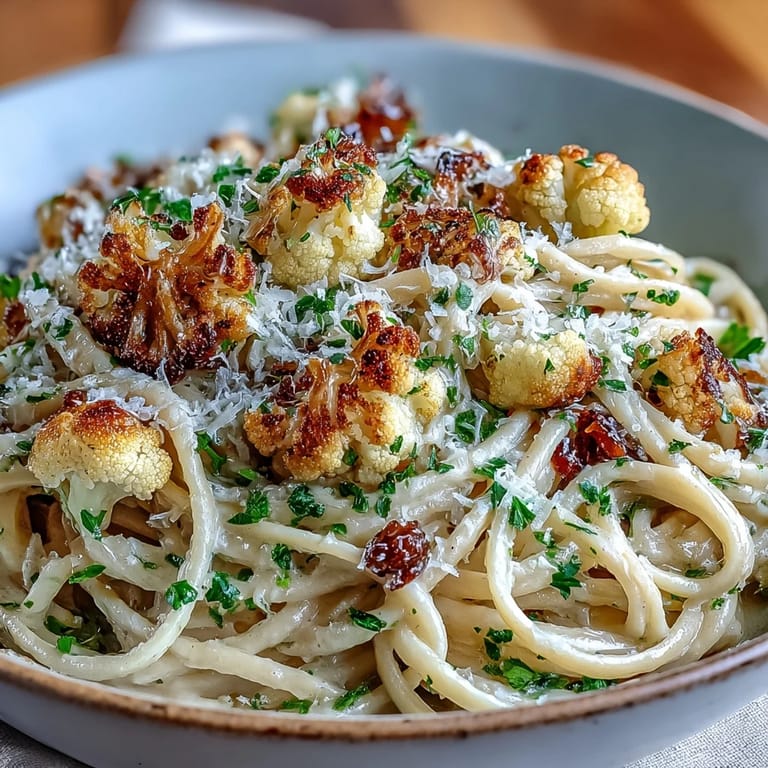
Save This dish reminds me that the best cooking doesn't always come from complicated techniques or fancy ingredients, sometimes it's about letting a few good flavors speak for themselves. I hope it brings you as much joy as it's brought me, whether you're feeding a crowd or just cooking for one.
Questions & Answers
- → Can I substitute the anchovies with something else?
While anchovies provide the essential umami depth, you can use anchovy paste (about 1-2 teaspoons) or substitute with sun-dried tomatoes and extra capers for a vegetarian version, though the flavor profile will differ.
- → How do I prevent the cauliflower from becoming too soft?
Cut the florets into uniform bite-sized pieces and roast at high heat (220°C/425°F). Turn them once during roasting to ensure even caramelization while maintaining a slight firmness in the center.
- → What type of raisins work best for this dish?
Regular dark raisins work perfectly, but golden raisins or currants offer a milder sweetness. Soak them briefly in warm water if they seem too dry, then drain before adding to the pasta.
- → Can this dish be made ahead of time?
This pasta is best enjoyed immediately for optimal texture. However, you can roast the cauliflower up to 2 hours ahead and reheat gently when combining with the freshly cooked pasta and other ingredients.
- → How can I make this dish more filling?
Add toasted pine nuts or breadcrumbs for extra texture and calories. You can also increase the protein by adding white beans or chickpeas, or serve alongside grilled fish for a heartier meal.
- → What wine pairs well with this pasta?
A crisp, dry white wine like Verdicchio or Pinot Grigio complements the briny anchovies and sweet raisins beautifully. The wine's acidity cuts through the richness while enhancing the Mediterranean flavors.