 Save
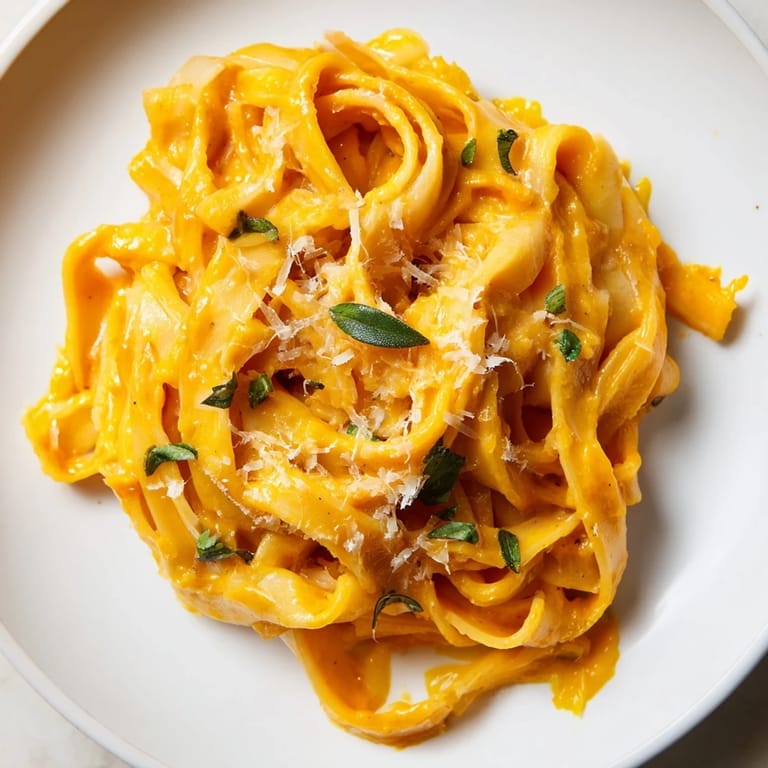
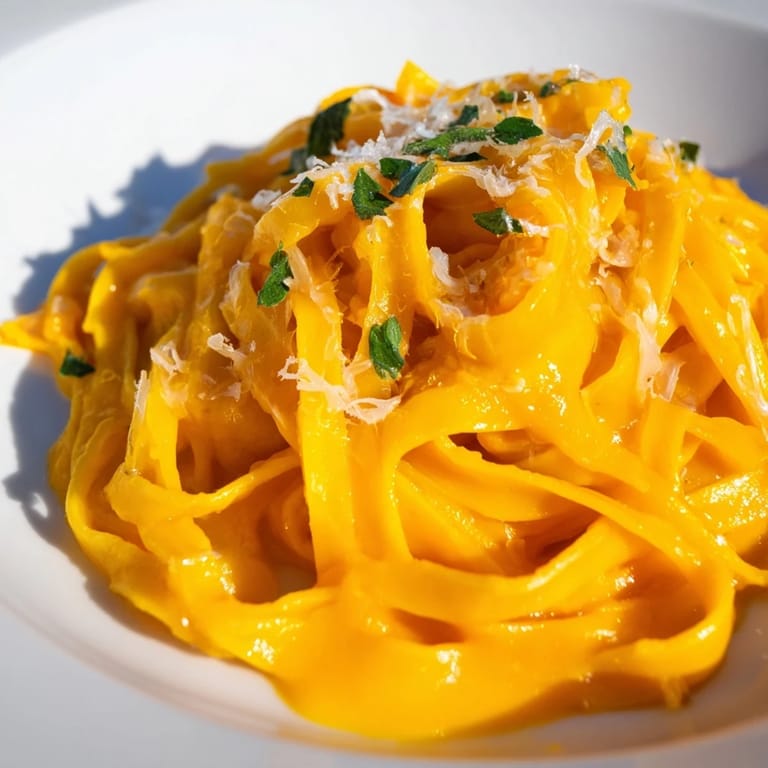
Save The first time I made butternut squash pasta, my apartment smelled like autumn had moved in and made itself comfortable on the couch. I was skeptical about blending vegetables into sauce, but one taste of that velvety, golden goodness changed everything. Now it is the dish my friends request most when the weather turns crisp and they need something that feels like a warm hug.
Last October I made this for a dinner party and watched everyone go silent after their first bites. My friend Sarah actually asked if there was heavy cream in it, then could not believe me when I said the base was mostly roasted vegetables. That moment of watching people discover how good healthy food can be is why I keep cooking.
Ingredients
- 1 medium butternut squash: Choose one that feels heavy for its size with matte, not glossy skin
- 2 cloves garlic, unpeeled: Roasting garlic whole mellow the flavor beautifully
- 1 small yellow onion: Dice it evenly so it cooks at the same rate as the sage
- 1 tablespoon fresh sage leaves: Fresh sage has an earthy depth that dried cannot match, though dried works in a pinch
- 2 tablespoons fresh parsley: Adds a bright, fresh contrast to the rich sauce
- 12 oz dried fettuccine or tagliatelle: The wide noodles hold onto the creamy sauce better than spaghetti
- 2 tablespoons olive oil: Divide this for roasting the squash and sautéing the onion
- 1/2 cup heavy cream: Full fat coconut milk creates an equally luscious vegan version
- 1/3 cup grated Parmesan cheese: Nutritional yeast or vegan Parmesan work perfectly for plant based diets
- 3/4 cup vegetable broth: Homemade broth adds depth, but store bought is absolutely fine
- Salt and black pepper: Season generously at each step for the best flavor
- Pinch of nutmeg: This secret ingredient bridges the gap between savory and sweet
Tired of Takeout? 🥡
Get 10 meals you can make faster than delivery arrives. Seriously.
One email. No spam. Unsubscribe anytime.
Instructions
- Roast the squash:
- Preheat your oven to 400°F and line a baking sheet with parchment. Spread the cubed squash and unpeeled garlic cloves across the sheet, drizzle with 1 tablespoon olive oil, sprinkle generously with salt and pepper, then toss everything together with your hands until each piece is coated.
- Let it caramelize:
- Roast for 25 to 30 minutes, flipping everything halfway through, until the squash is tender and has those gorgeous caramelized edges that mean extra flavor.
- Start the pasta water:
- While the squash roasts, bring a large pot of salted water to boil and cook the pasta until al dente, saving 1/2 cup of the starchy cooking water before draining.
- Build the flavor base:
- Heat the remaining olive oil in a large skillet over medium heat, then add the diced onion and chopped sage, cooking until the onion softens and becomes fragrant, about 4 minutes.
- Blend it all together:
- Squeeze the roasted garlic from its skins, then combine it with the roasted squash, sautéed onion and sage, vegetable broth, and cream in a blender, processing until completely smooth and silky.
- Create the sauce:
- Pour the sauce back into the skillet over low heat, stir in the Parmesan and nutmeg, and season with salt and pepper, adding pasta water if it needs thinning.
- Bring it together:
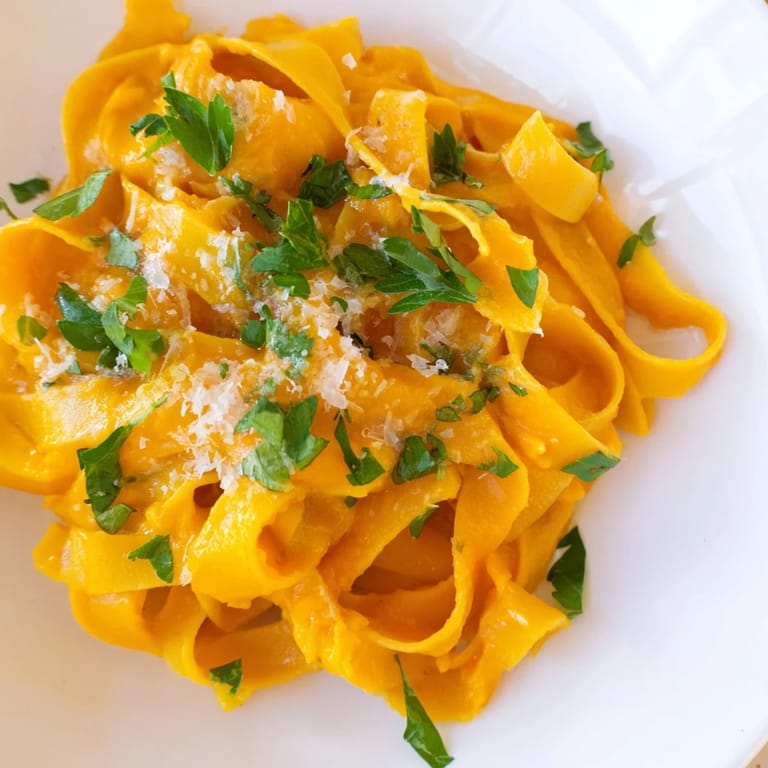
- Add the cooked pasta to the sauce and toss gently for 2 to 3 minutes until every strand is coated and warmed through, then serve immediately topped with fresh parsley.
 Save
Save 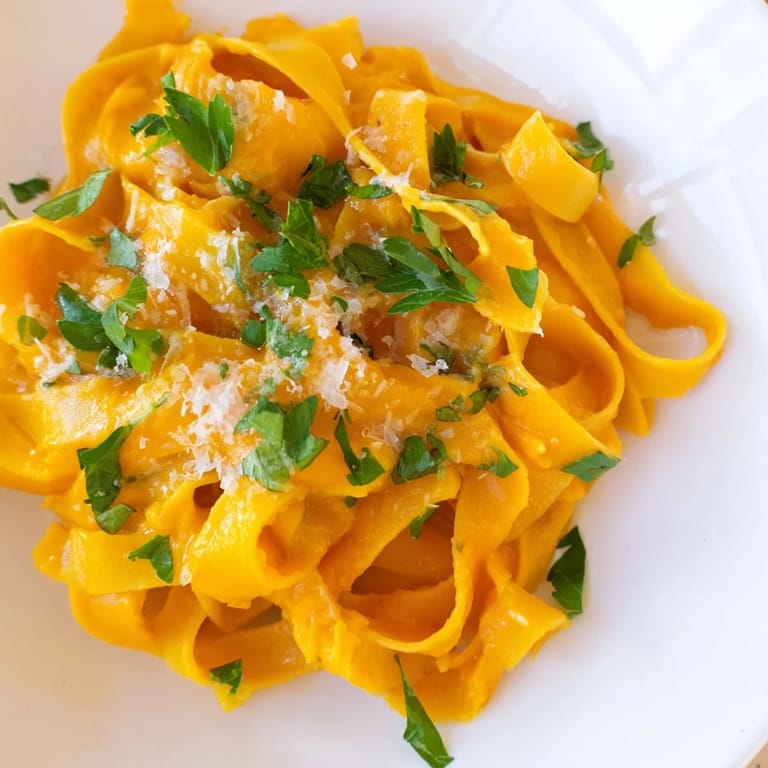 Save
Save My sister claimed she hated squash until I made this for her birthday dinner. She ended up going back for thirds and now makes it every Sunday during autumn, which feels like the best compliment I could receive.
Making It Your Own
I have learned that this sauce plays well with others, sometimes blending in roasted cauliflower for extra creaminess without the calories. The base is forgiving enough that you can experiment with different winter squashes or add a pinch of smoked paprika if you want a subtle kick.
Serving Suggestions
This pasta creates a complete meal on its own, but a simple green salad with bright vinaigrette cuts through the richness perfectly. I have also served it alongside roasted chicken for non vegetarian guests, though honestly nobody notices the missing meat.
Storage And Reheating
The sauce actually tastes better the next day as the flavors meld together, so I often make a double batch and keep some in the refrigerator for up to four days. Reheat it gently with a splash of water or broth, stirring frequently to prevent separating.
- Freeze the sauce without pasta for up to three months
- Undercook the pasta slightly if you plan to reheat it
- Add fresh herbs right before serving to keep their color bright
 Save
Save 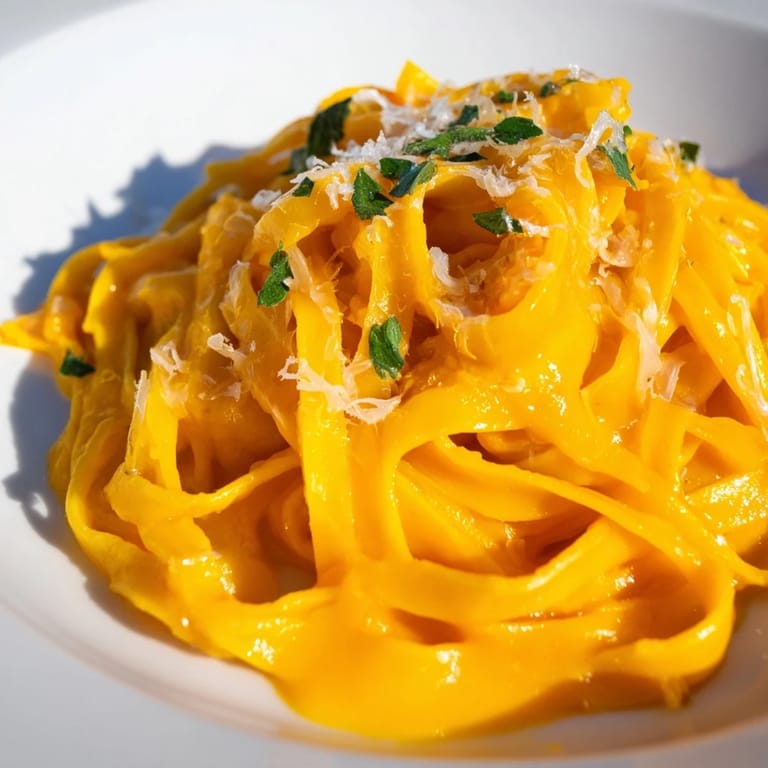 Save
Save There is something deeply satisfying about turning a simple vegetable into something that feels indulgent, like you have discovered a secret that makes eating well feel like a treat instead of a chore.
Questions & Answers
- → Can I make the sauce ahead of time?
Yes, prepare the roasted squash puree up to 2 days in advance and store in an airtight container. Reheat gently with a splash of broth or cream before tossing with freshly cooked pasta.
- → What pasta shapes work best?
Fettuccine, tagliatelle, or pappardelle capture the creamy sauce beautifully. Short pasta like penne or rigatoni also works well, though the coating experience differs slightly from long strands.
- → How do I achieve the smoothest texture?
Blend the roasted squash thoroughly, allowing at least 2-3 minutes. If your blender struggles, add more broth gradually. Straining through a fine-mesh sieve creates an ultra-silky restaurant-quality finish.
- → Can I freeze leftover sauce?
Absolutely. Cool completely, portion into freezer-safe bags, and freeze up to 3 months. Thaw overnight in the refrigerator, then reheat slowly while whisking in cream or pasta water to restore consistency.
- → What herbs complement butternut squash?
Fresh sage, thyme, and rosemary enhance squash's natural sweetness. Sage pairs particularly well when sautéed with onions. For a brighter finish, add chopped parsley or basil just before serving.
- → Is this dish suitable for meal prep?
The sauce reheats wonderfully, but pasta absorbs sauce overnight. Store components separately and combine when reheating, adding a splash of water or broth to refresh the creamy texture.